Utila - An adventure of a lifetime!
Utila - Honduras, Central America. June to August 2022
There are certain experiences that shift your perspective in ways you don’t immediately recognise. For me, that shift began the moment I landed in San Pedro Sula. The air was thick with heat and humidity, a stark contrast to home, and carried with it a sense that I was stepping into something unknown. At that point, Utila was just a name on a map—an idea more than a place—but that was about to change.
After a brief overnight stay, the journey continued by minibus to Tela. The transition from city to coastline was gradual but noticeable—concrete giving way to greenery, the air becoming salt-laced, the pace of life slowing. From Tela, a small water shuttle carried us across the Caribbean Sea. As the mainland faded into the distance, there was a growing sense of separation from the familiar. Ahead lay Utila—a small island, but one positioned on the edge of something immense: the Mesoamerican Barrier Reef.
Stretching across multiple countries, the reef system is one of the largest in the world and supports an extraordinary diversity of marine life. For the next two months, it would be both my workplace and my classroom.
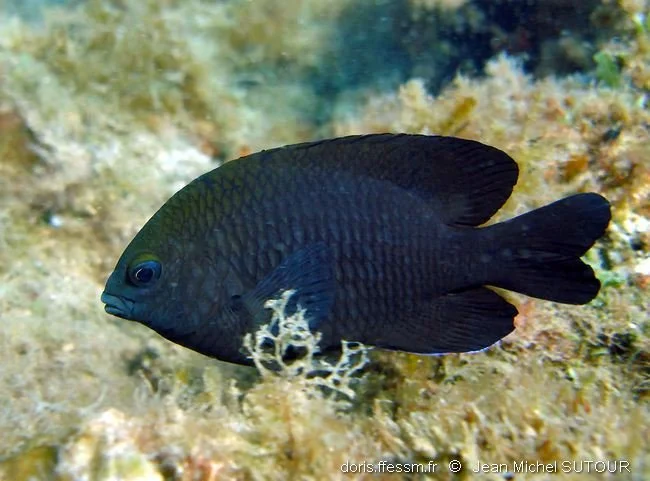
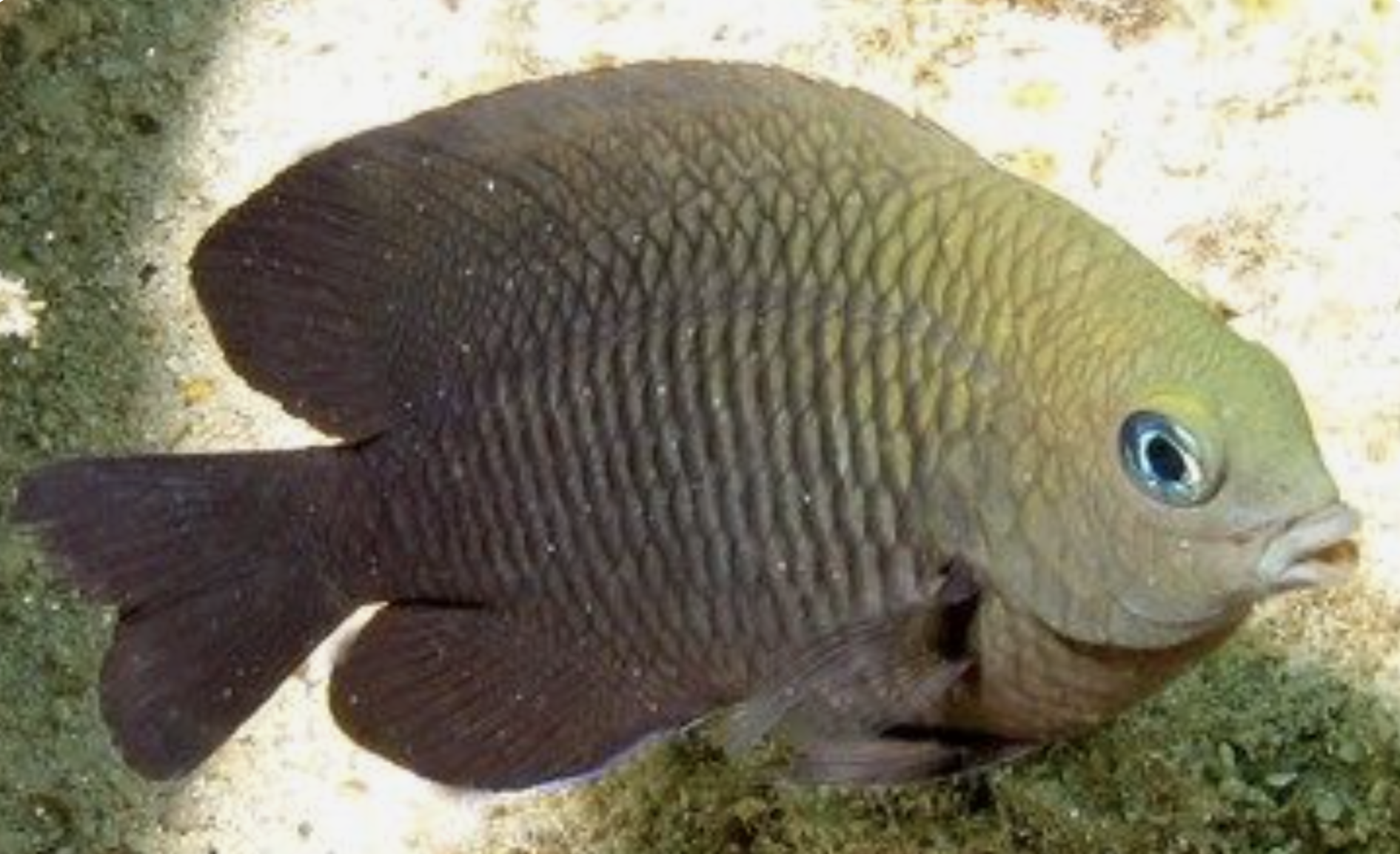
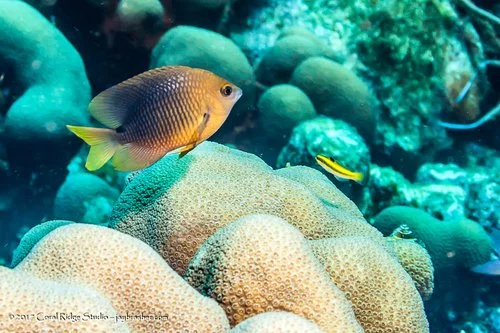
I had travelled to Utila to conduct my BSc research project, focusing on damselfish behaviour. Specifically, I was investigating whether population density influences how individuals allocate their time—how much is spent feeding, defending territory, or interacting with neighbours. These may seem like small behavioural decisions, but they scale up, influencing competition, resource distribution, and ultimately the structure of reef communities.
Settling into life on the island was an experience in itself. Days began early, often with the quiet anticipation of a morning dive. Equipment checks became routine: regulators, tanks, masks, fins—all meticulously prepared. There was something grounding about this repetition, a ritual that marked the transition from land to sea.
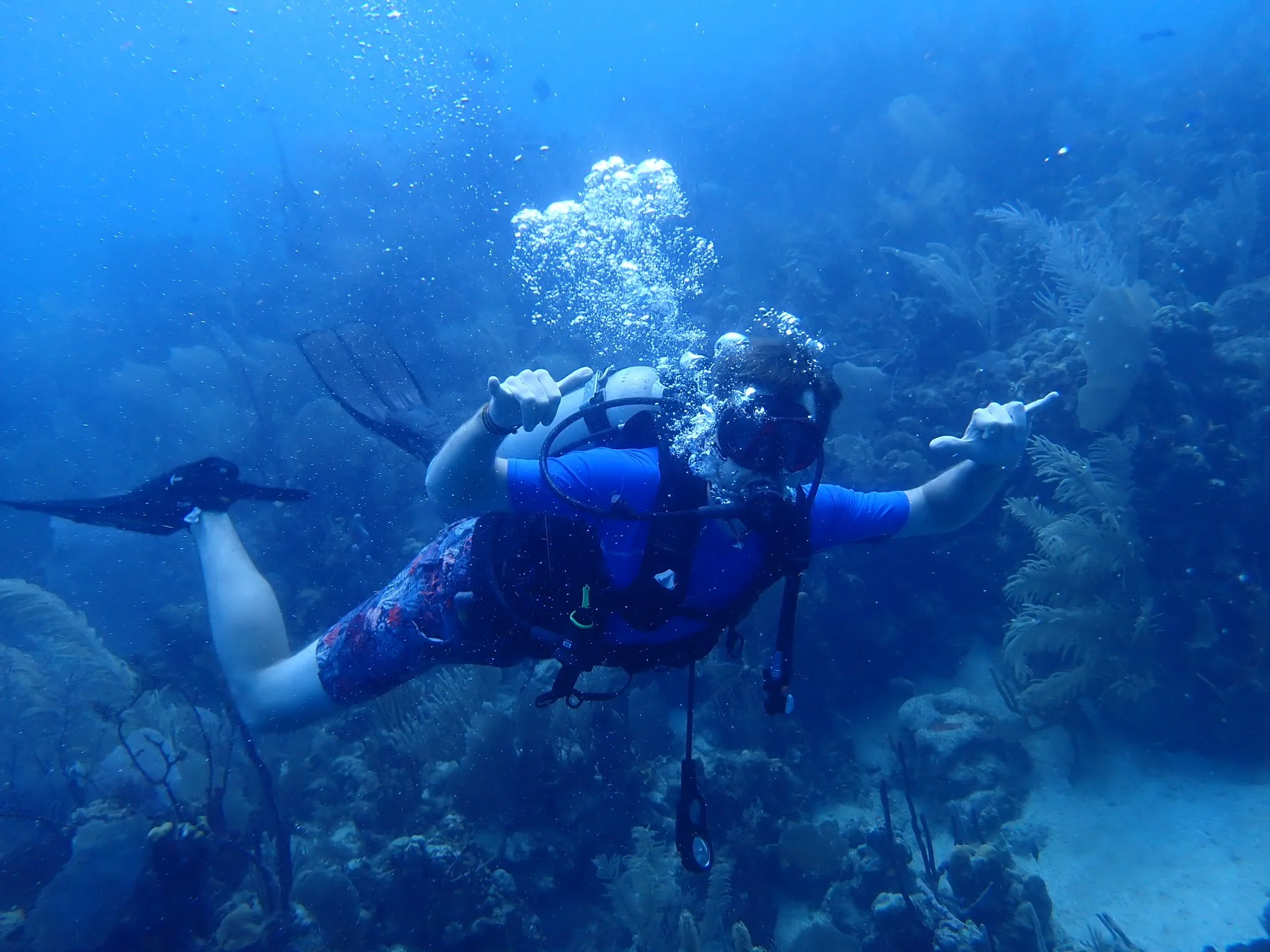
Entering the water never lost its impact. The initial shock of coolness, the sound of breath through a regulator, and the gradual descent into a different world created a sense of detachment from everything above. Light filtered through the surface in shifting patterns, illuminating coral formations and the constant motion of reef life.
At first, the reef felt overwhelming. There was simply too much to process—too many species, interactions, and movements happening simultaneously. But over time, that chaos began to resolve into something more structured. I started to recognise territories, identify individuals, and anticipate behaviours. The reef became less of a spectacle and more of a system that could be observed, understood, and questioned.
Damselfish quickly became the focal point of my work. Despite their small size, they are dominant ecological players within reef systems. Many species maintain and defend algal gardens—patches of turf algae that they actively cultivate. These territories are valuable resources, and their defence is often intense. Watching a damselfish chase away intruders many times its size is both surprising and, at times, oddly comical.
Through repeated observations, patterns began to emerge. In areas where damselfish were densely packed, individuals appeared to spend a significant portion of their time engaged in territorial defence. Boundaries were constantly contested, and aggressive interactions were frequent. In contrast, in areas with lower population density, fish seemed to allocate more time to feeding, with fewer interruptions and less need for constant vigilance.
Capturing these behaviours required patience. Each survey involved extended periods of observation, often hovering motionless in the water, recording subtle changes in behaviour. It was not always easy. Maintaining focus while managing buoyancy, air consumption, and environmental conditions demanded both mental and physical discipline. Yet it was in these moments of stillness that the most valuable data were collected.
Of course, not every dive went to plan. There were days when visibility dropped, currents strengthened, or equipment behaved unpredictably. There were moments of frustration—missed observations, disrupted surveys—but these challenges were an inherent part of fieldwork. Learning to adapt, to remain flexible in the face of changing conditions, was as important as the research itself.
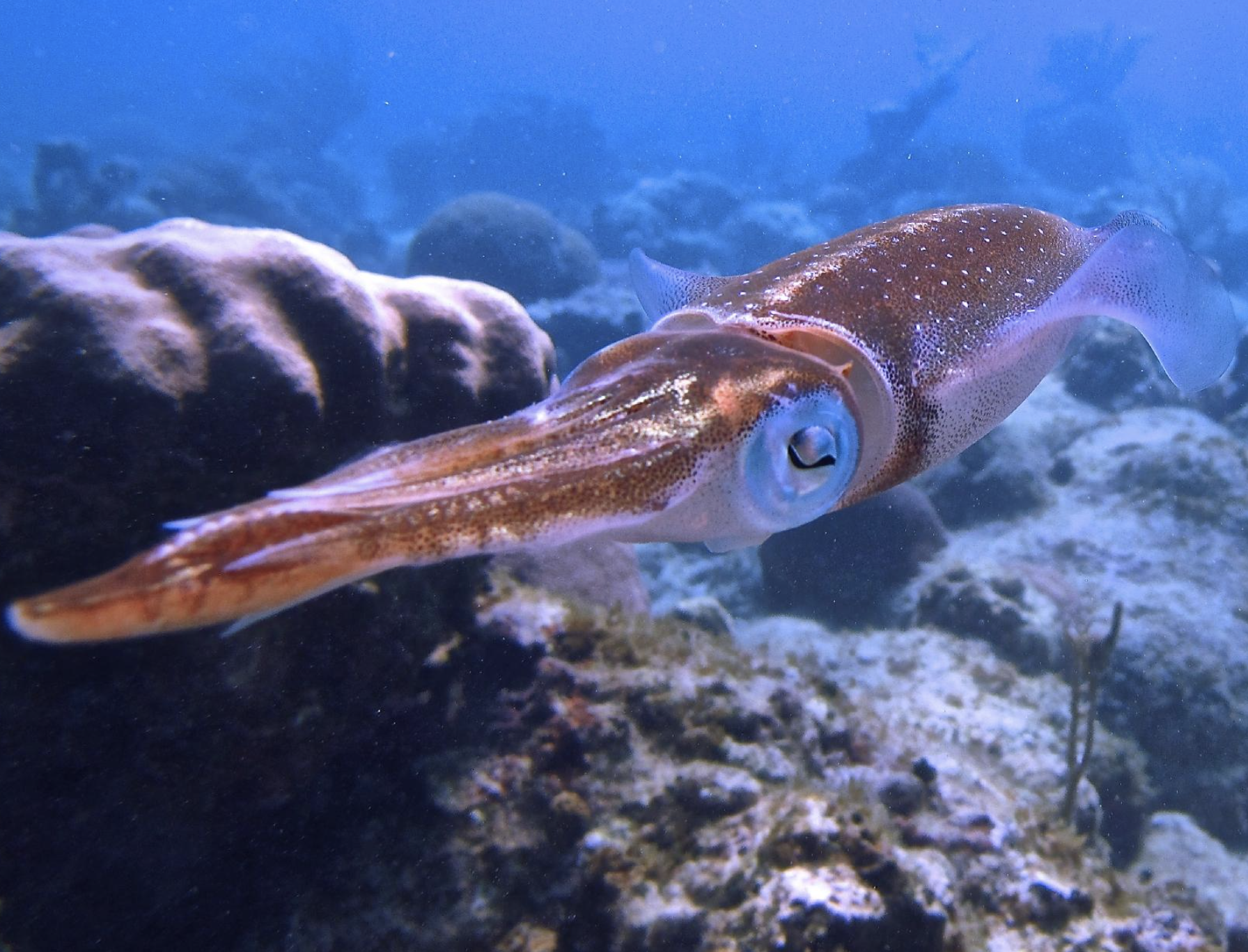
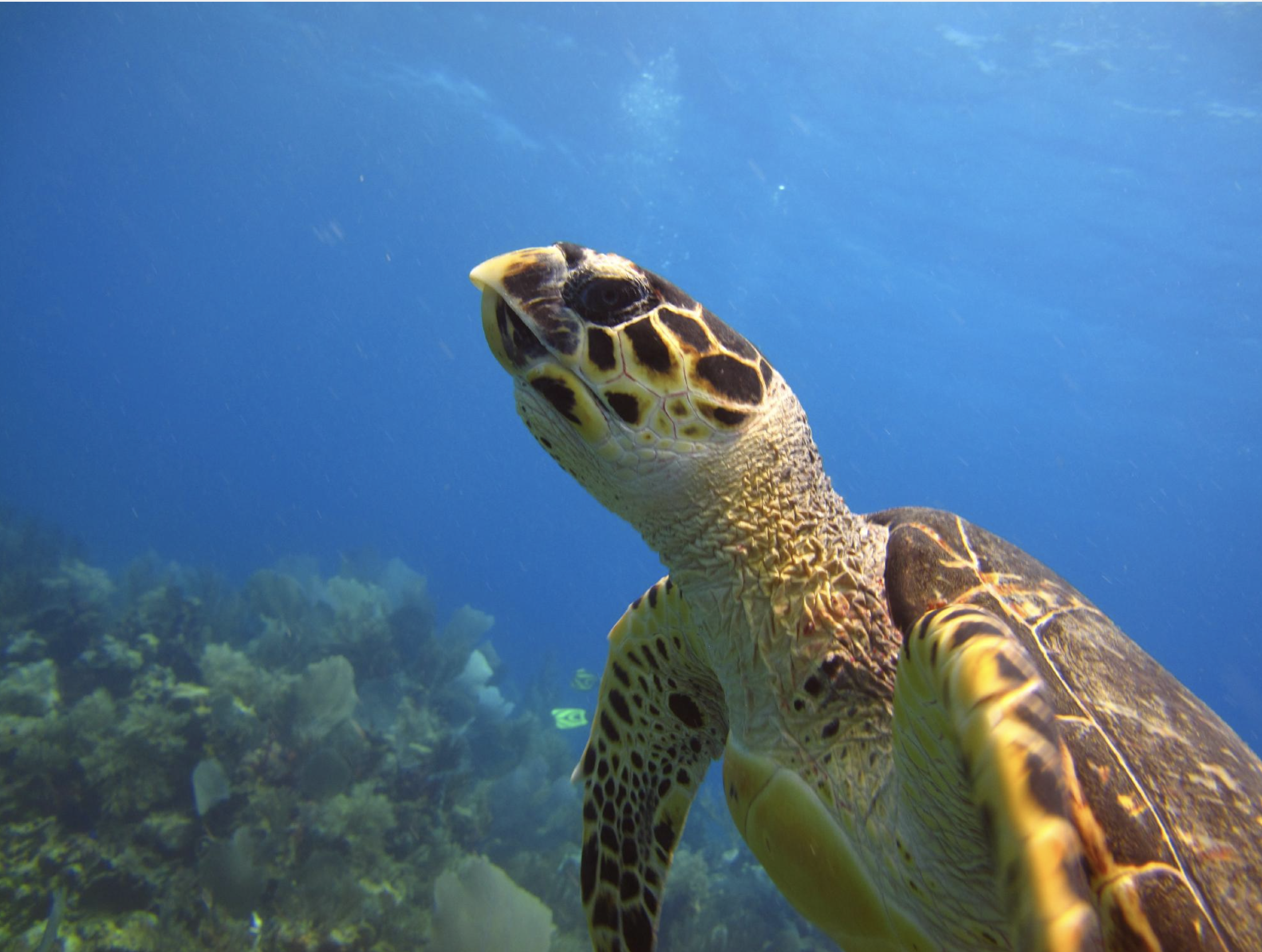
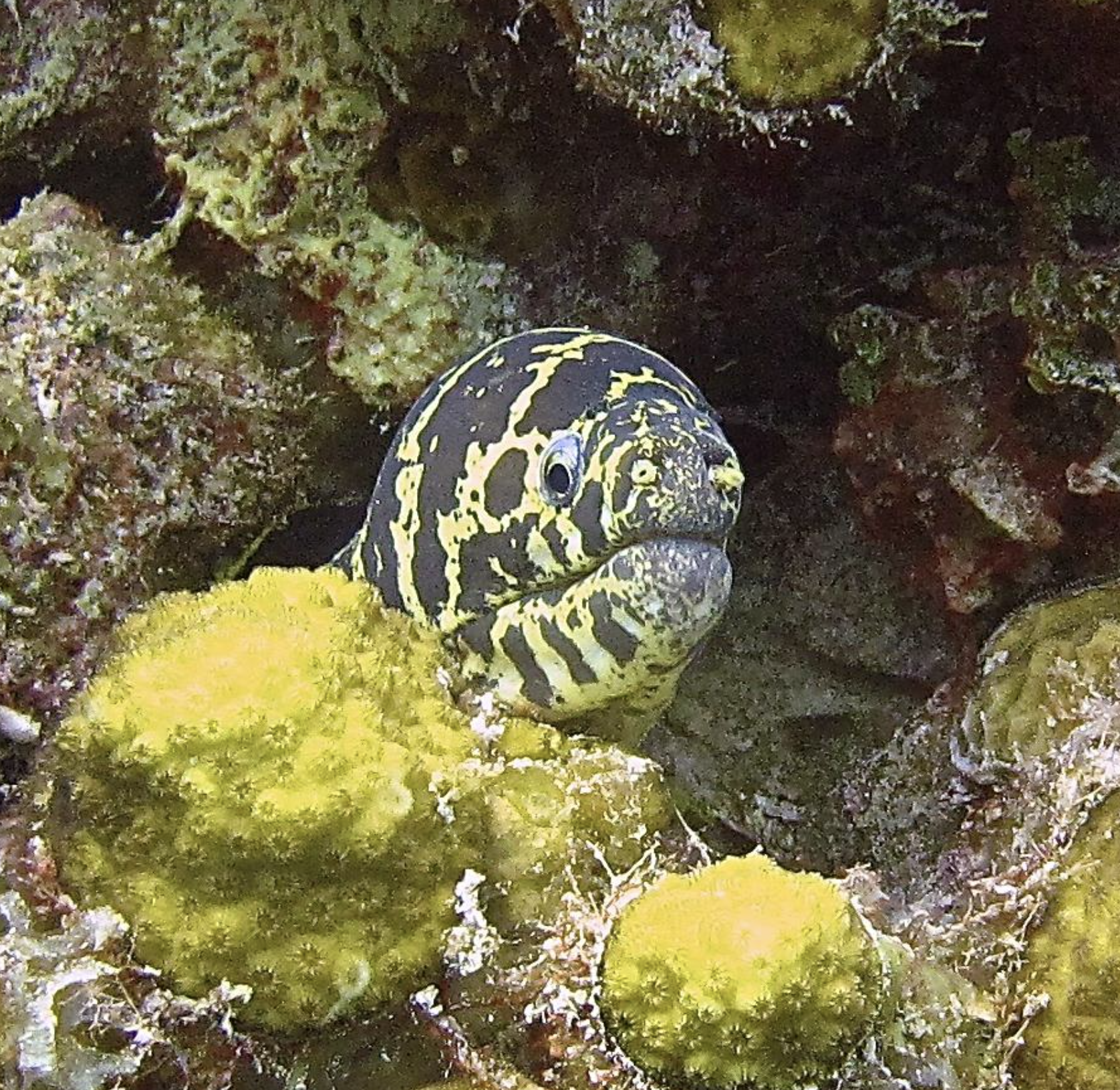
Beyond the focus on damselfish, the broader reef community provided constant context. Coral structures formed the foundation of the ecosystem, creating habitat for a vast array of species. Schools of fish moved in synchrony through the water column, while cryptic organisms remained hidden within the reef matrix. Predators patrolled the edges of visibility, and cleaner fish established stations where larger species would pause to have parasites removed. Each interaction, no matter how small, contributed to the overall functioning of the reef.
Living in such close proximity to this environment also highlighted its vulnerability. The Mesoamerican Barrier Reef, like many reef systems worldwide, faces increasing pressure from climate change, coral bleaching, overfishing, and pollution. Seeing areas of reef that showed signs of stress alongside healthier sections created a stark contrast—one that underscored the urgency of conservation efforts.
Outside of diving, island life offered its own rhythm. Evenings were often spent reflecting on the day’s work, discussing observations, and preparing for the next set of dives. There was a strong sense of community among those working and training on the island—individuals brought together by a shared interest in the marine environment. These conversations, both scientific and personal, became an integral part of the experience.
As the weeks progressed, something shifted. The initial uncertainty gave way to confidence. Tasks that once required conscious effort became second nature. The reef, once overwhelming, became familiar. Most importantly, I began to see myself not just as a student completing a project, but as a researcher capable of contributing to our understanding of these systems.
Looking back, Utila was more than just a location for fieldwork—it was a formative experience. It challenged me, shaped my approach to research, and deepened my appreciation for the complexity and fragility of marine ecosystems. It reinforced the importance of asking questions, of observing carefully, and of recognising that even the smallest behaviours can have broader ecological significance.
This was not just an academic exercise. It was a step into the field I hope to build a career in—a field driven by curiosity, resilience, and a commitment to conservation.
Utila was, without question, an adventure of a lifetime. But more than that, it was the beginning of a journey that I am still very much on.