Catching the Rainbow: Uncovering the Hidden Colours of Reef Fish
Bellairs Research Institute, Barbados - Dec 2025
Have you ever tried to catch a rainbow? It's impossible—or at least it seems that way. Yet, for my MSc by Research, that's exactly what I set out to do. Not the rainbow we see after a storm, but the complete spectrum of colours displayed by coral reef fishes, including ultraviolet patterns hidden from human eyes.
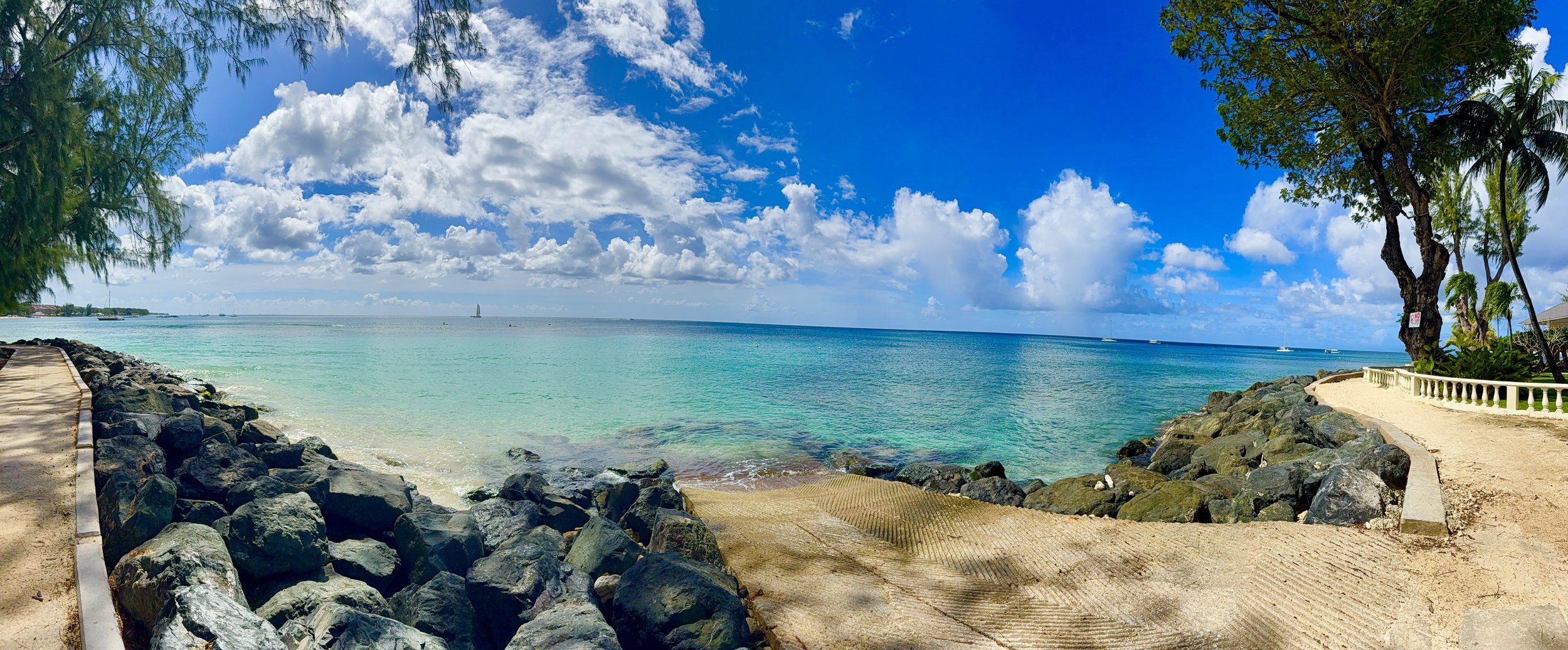
When people think of coral reefs, they often picture vibrant corals, shoals of colourful fish, and crystal-clear turquoise water. While these reefs are undeniably beautiful to us, what we see is only part of the story. Reef fishes have evolved colourful and elaborate markings (ornamentation) to communicate, with many species using colours and patterns that are completely invisible to the human eye, including ultraviolet (UV) signals. Understanding why these hidden colours evolve was the focus of my MSc by Research, and it took me across the Atlantic to the incredible reefs of Barbados.
My research, A Spectrum of Strategies: The Impact of Life History Parameters on Colour and UV Ornamentation in Coral Reef Fish, sought to understand how ecological and life-history traits (such as how a fish lives, feeds, or reproduces) influence the evolution of colour and UV signals in reef fishes. Rather than simply asking what colours fish possess, I wanted to explore why some species evolve elaborate ultraviolet ornamentation while others rely primarily on colours visible to humans.
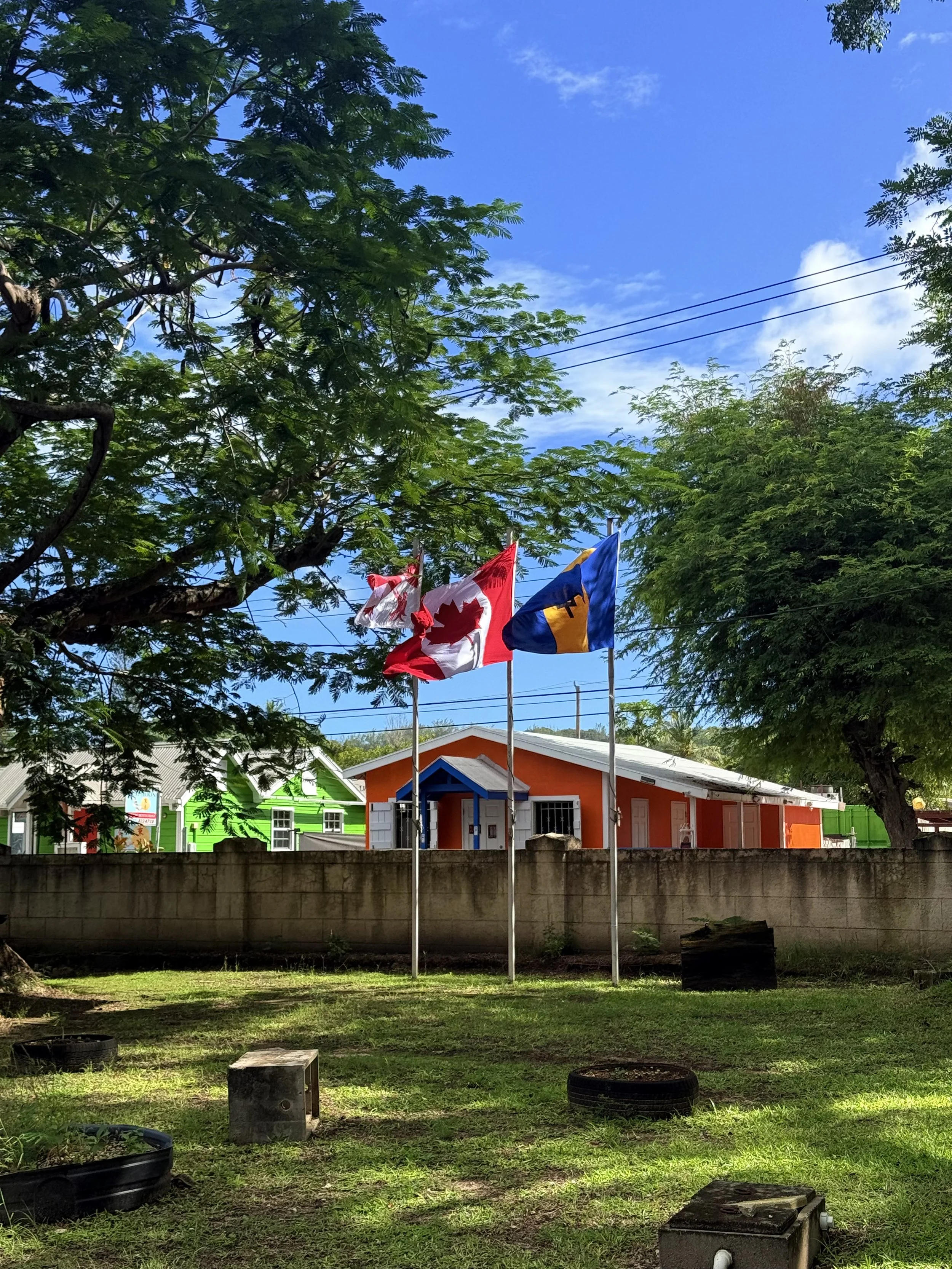
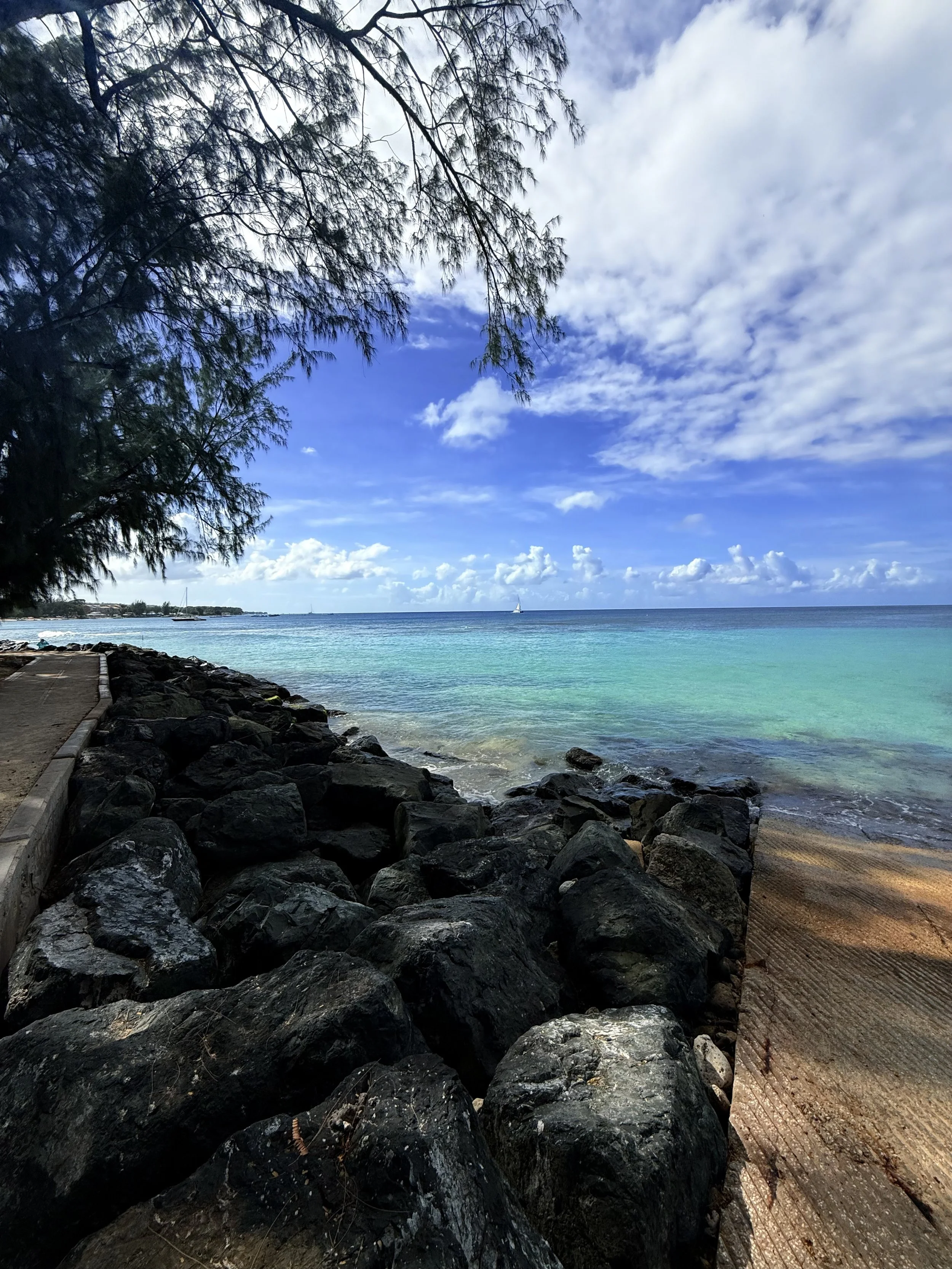
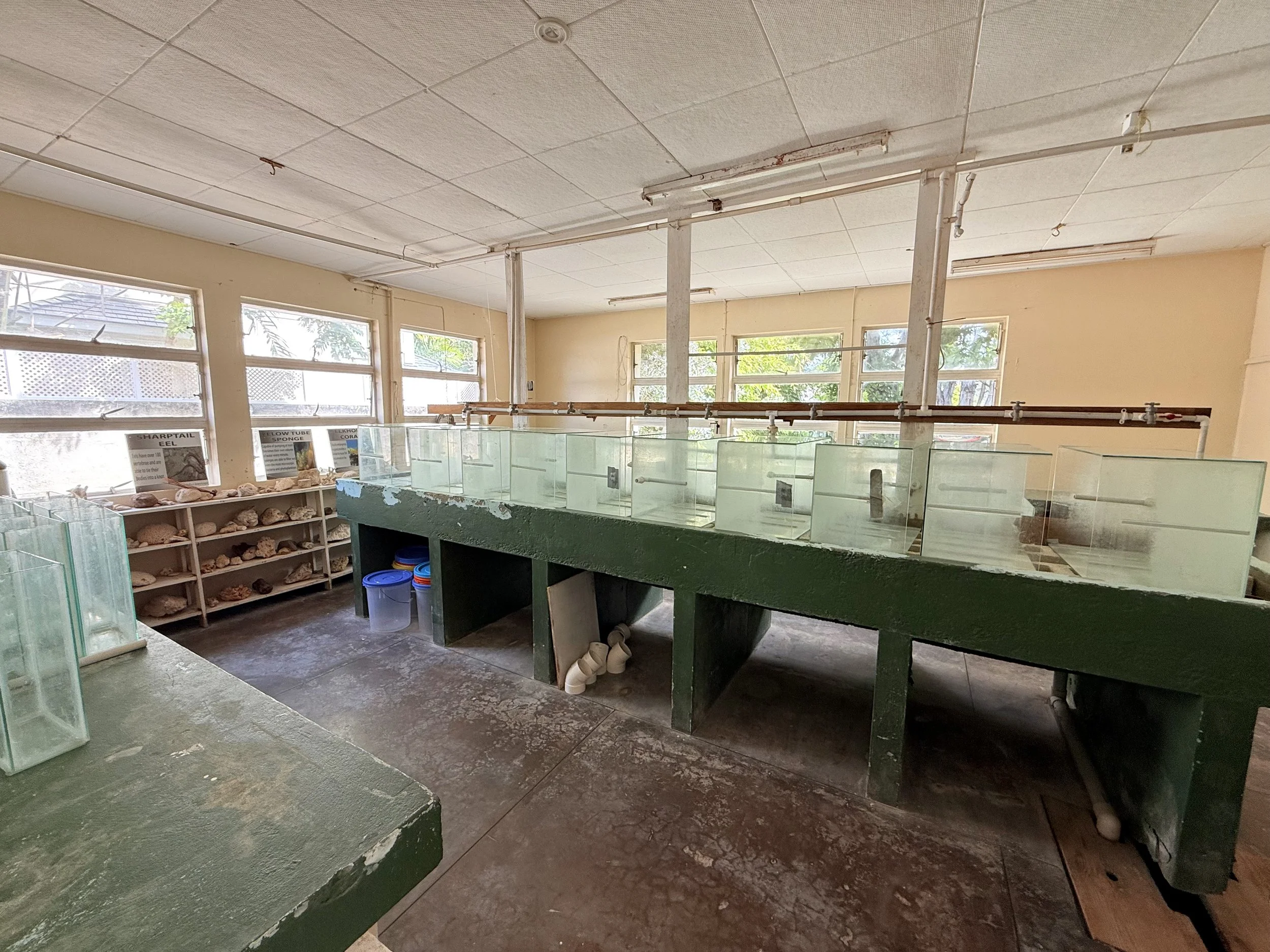
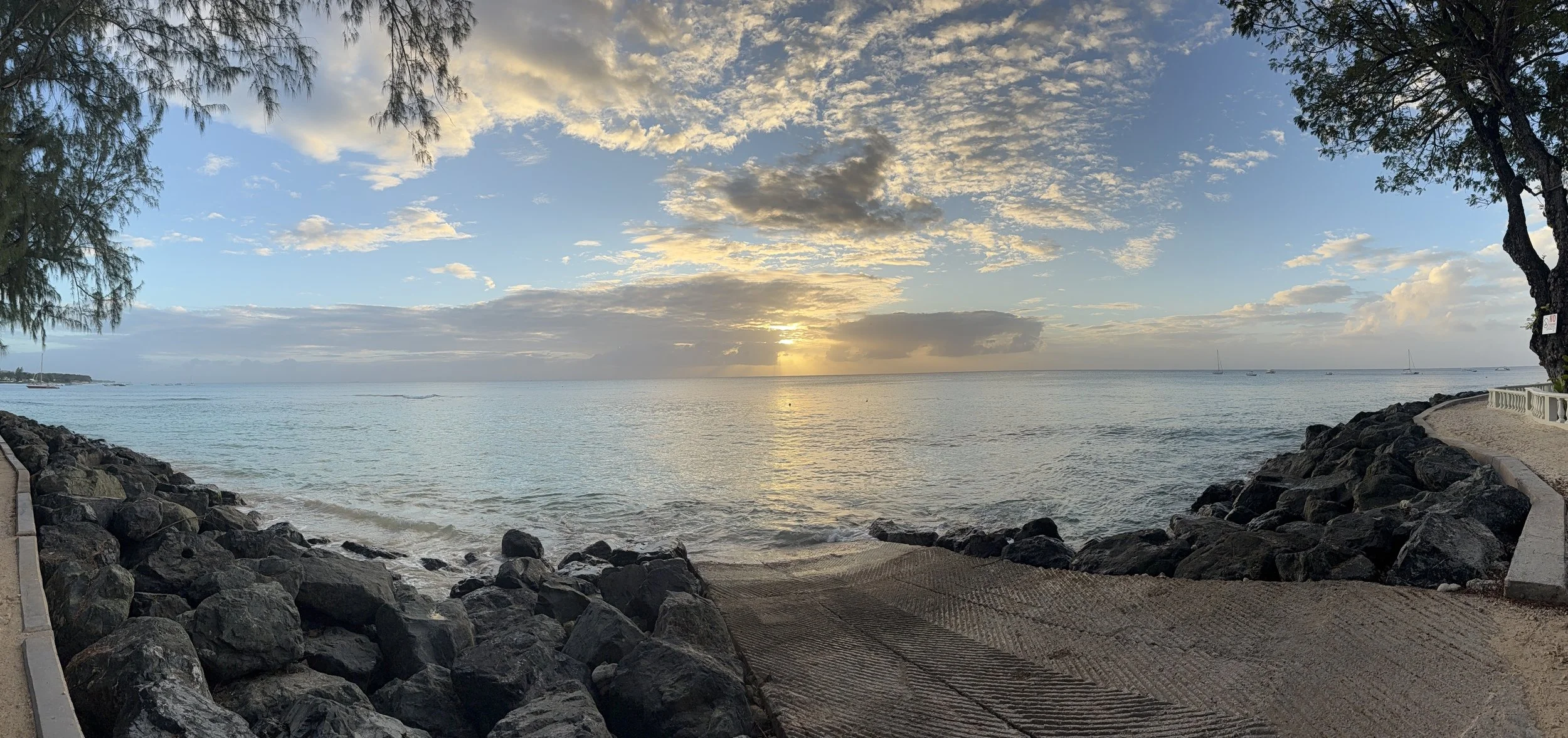
To answer these questions, I travelled to Barbados, conducting my fieldwork at the Bellairs Research Institute. Barbados provides an exceptional natural laboratory, with an abundance of coral reef habitats supporting an extraordinary diversity of reef fishes. Every day in the field offered an opportunity to collect data that simply could not be gathered on our marine habitats back in the UK.
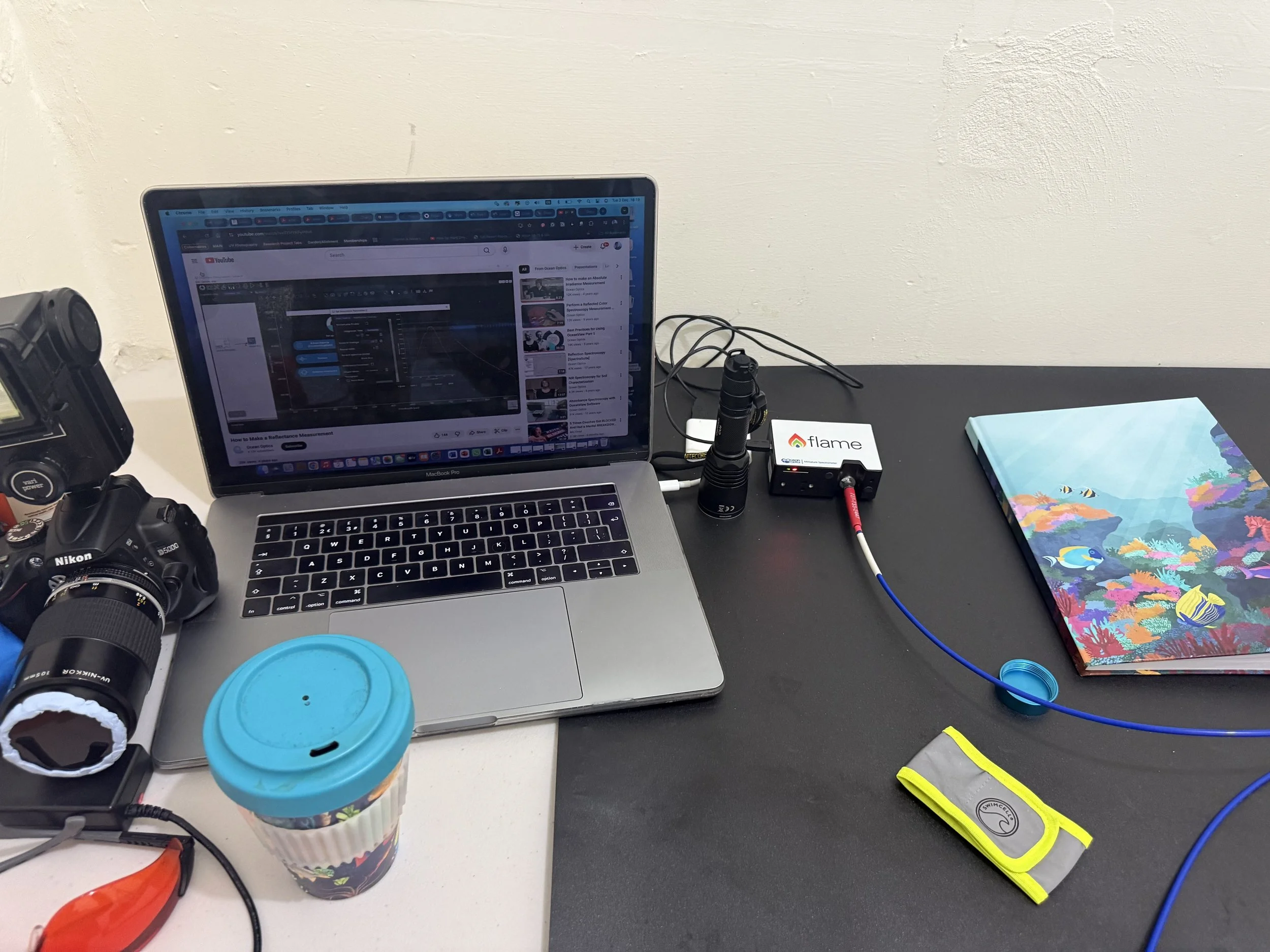
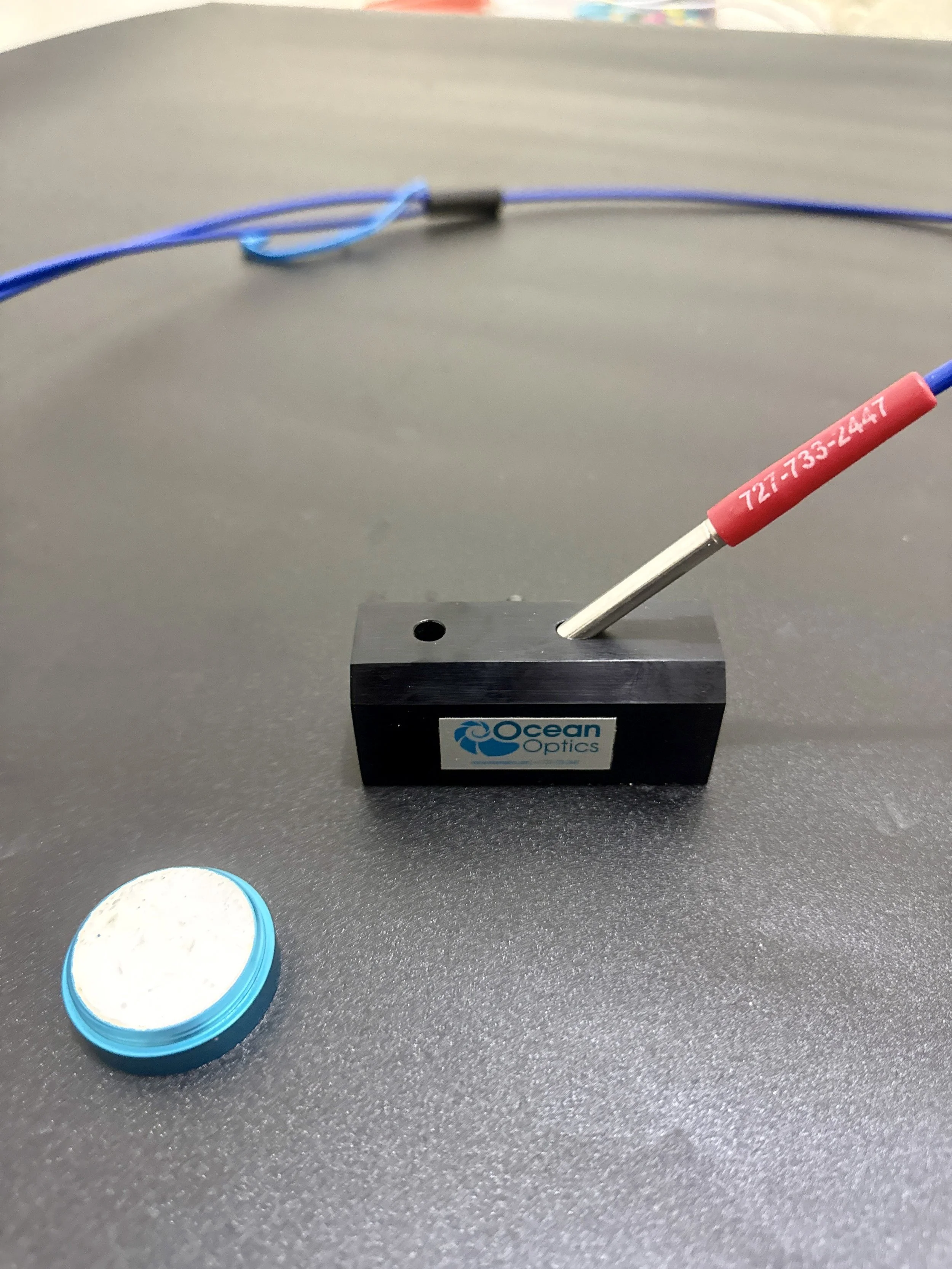
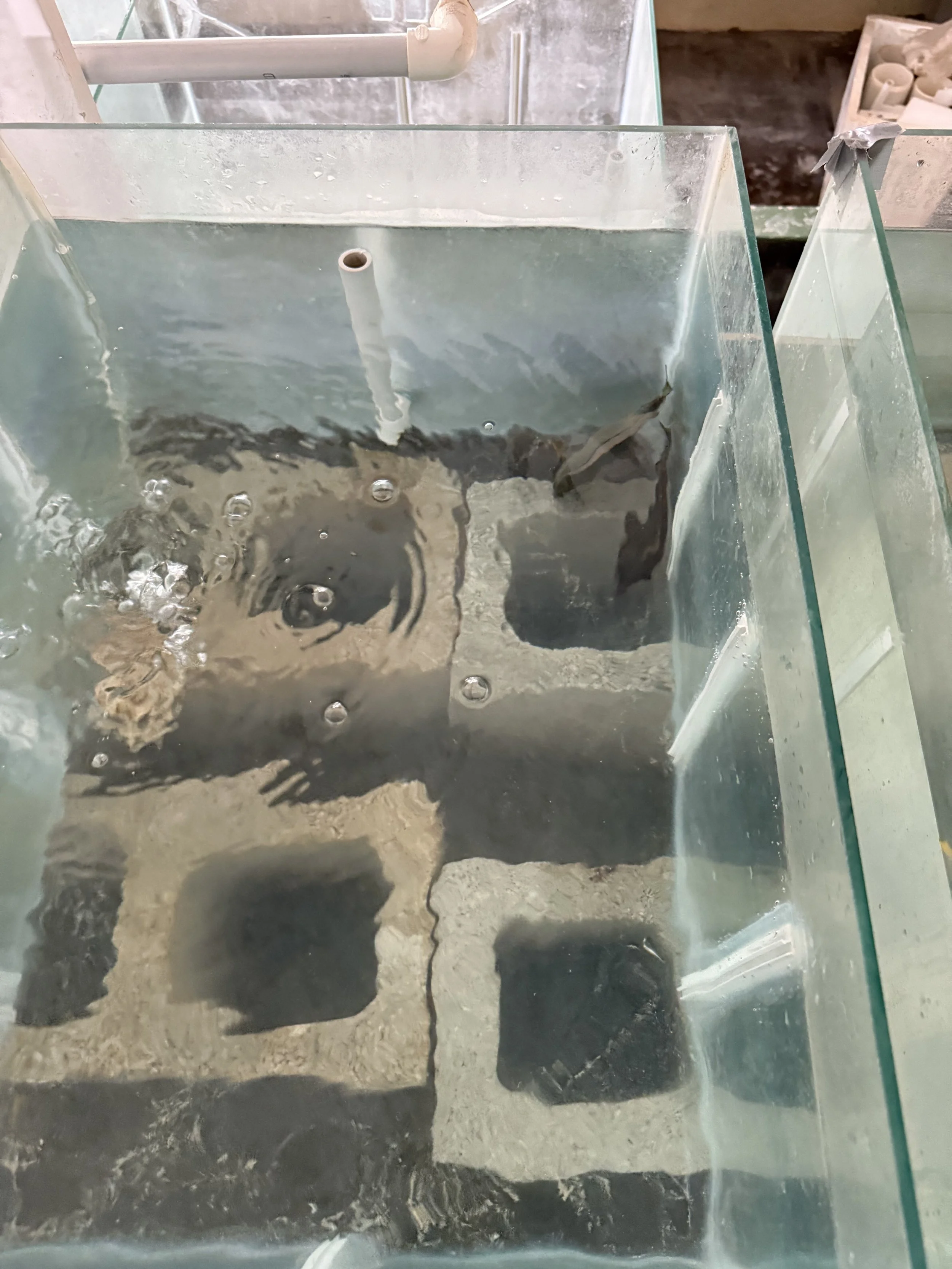
Fieldwork began early. Before entering the water, equipment had to be prepared, cameras calibrated, spectrophotometers (a fancy kit that measures TRUE colour) calibrated, sampling plans reviewed, and collection gear organised. Although it is easy to imagine tropical fieldwork as endless sunshine and calm seas, the reality is far more demanding. Conditions can change rapidly, equipment must withstand heat, saltwater and humidity, and every sampling session requires careful planning to ensure data are collected consistently, with the sampled animals’ welfare as the highest priority.
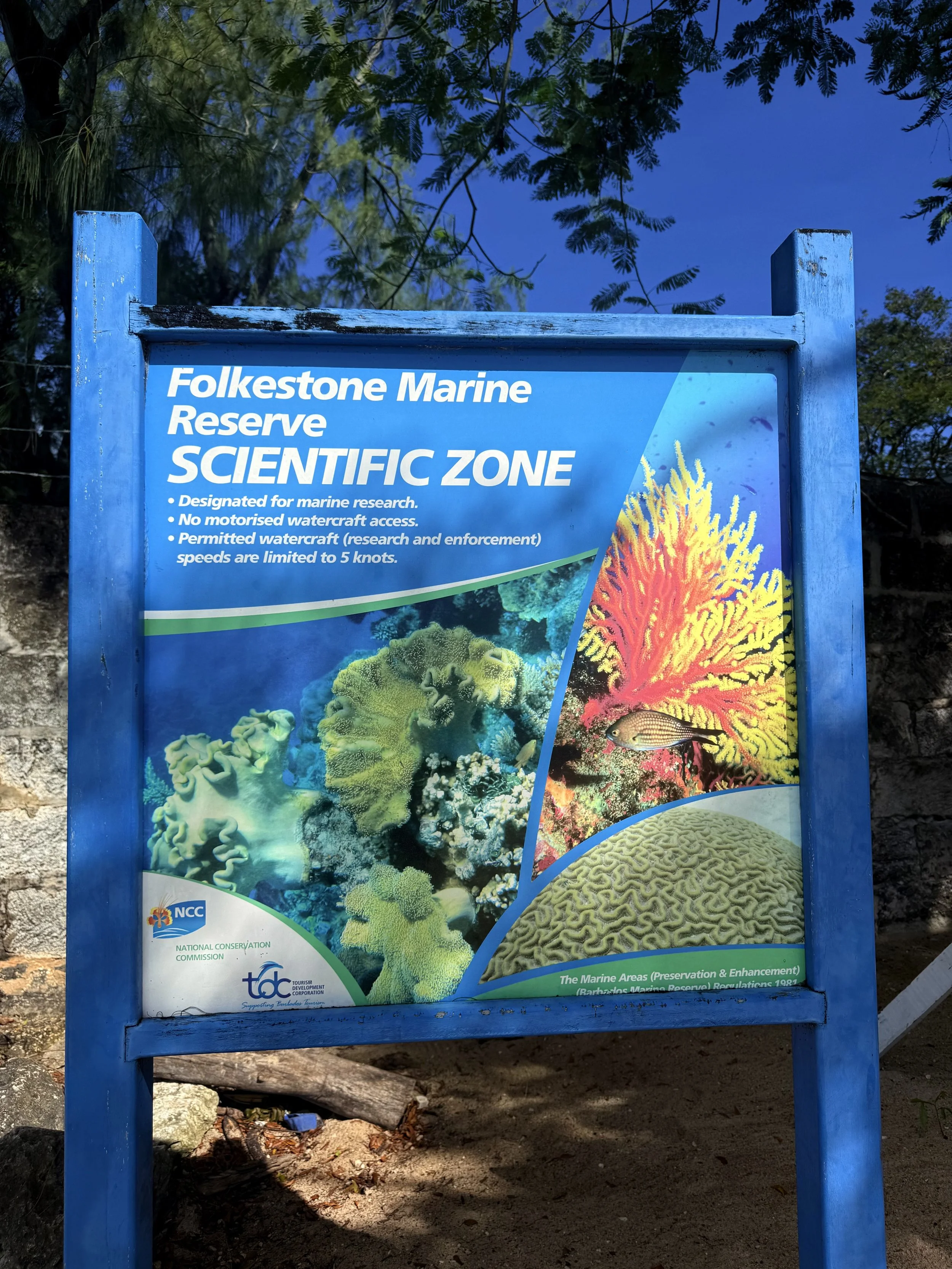
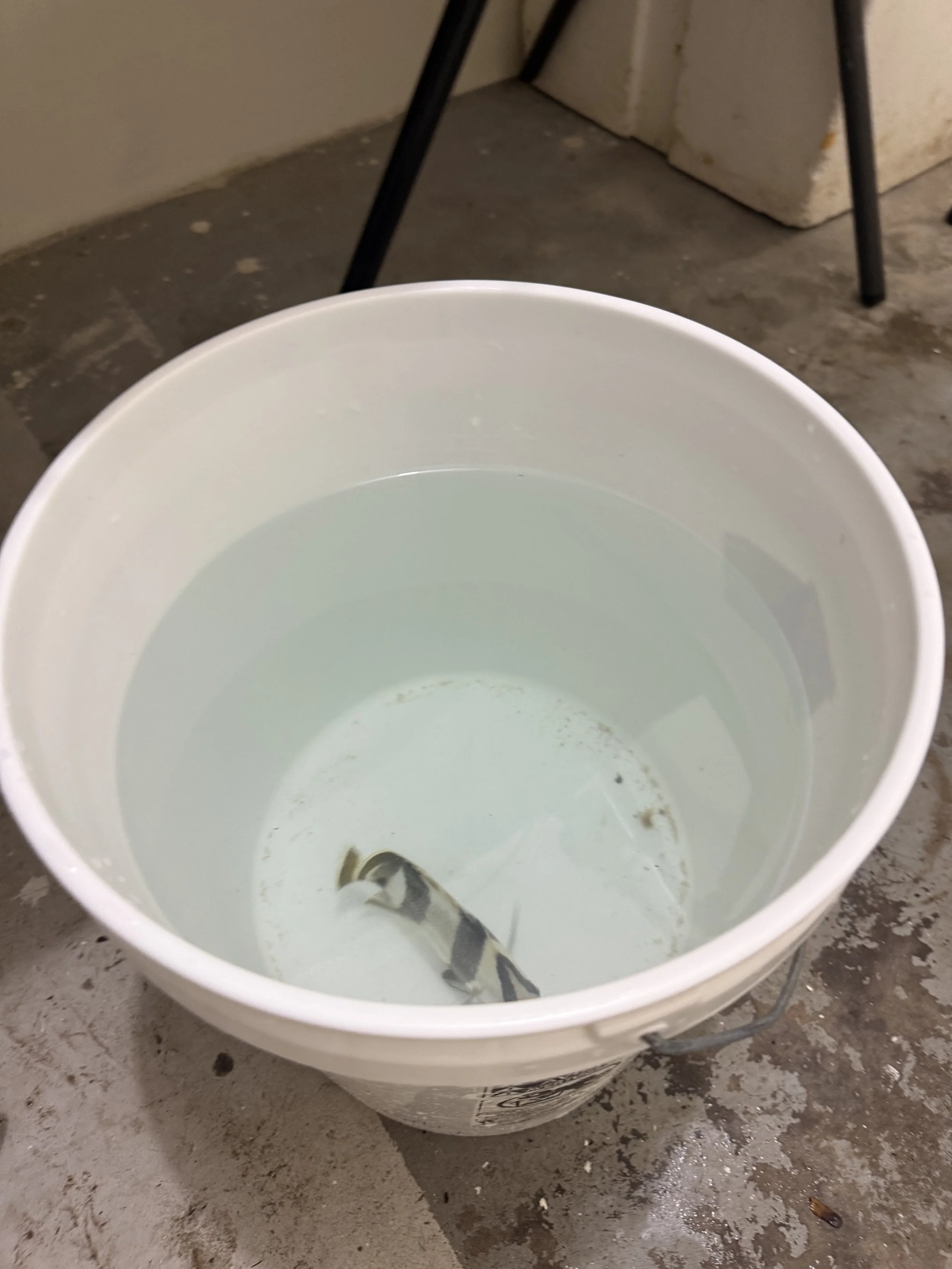
Once underwater, the reefs revealed an incredible diversity of life. Damselfish defended tiny territories with remarkable determination, wrasses darted between coral heads, and parrotfish grazed continuously across the reef. These bustling communities formed the perfect setting for investigating one of evolution's most fascinating questions: why do animals evolve such extraordinary diversity in colour and ornamentation? I should mention here that to conduct any marine research in Barbados and the Folkestone Marine Park, you must apply and successfully be awarded a research permit by the Barbadian Government. It is illegal to catch fish without one. I was very fortunate to be awarded my research permit to which I would like to thank the team at CZMU and R.Hon Minister Adrian Ford for his support (https://coastal.gov.bb/coral-reef-research-permit-application/).
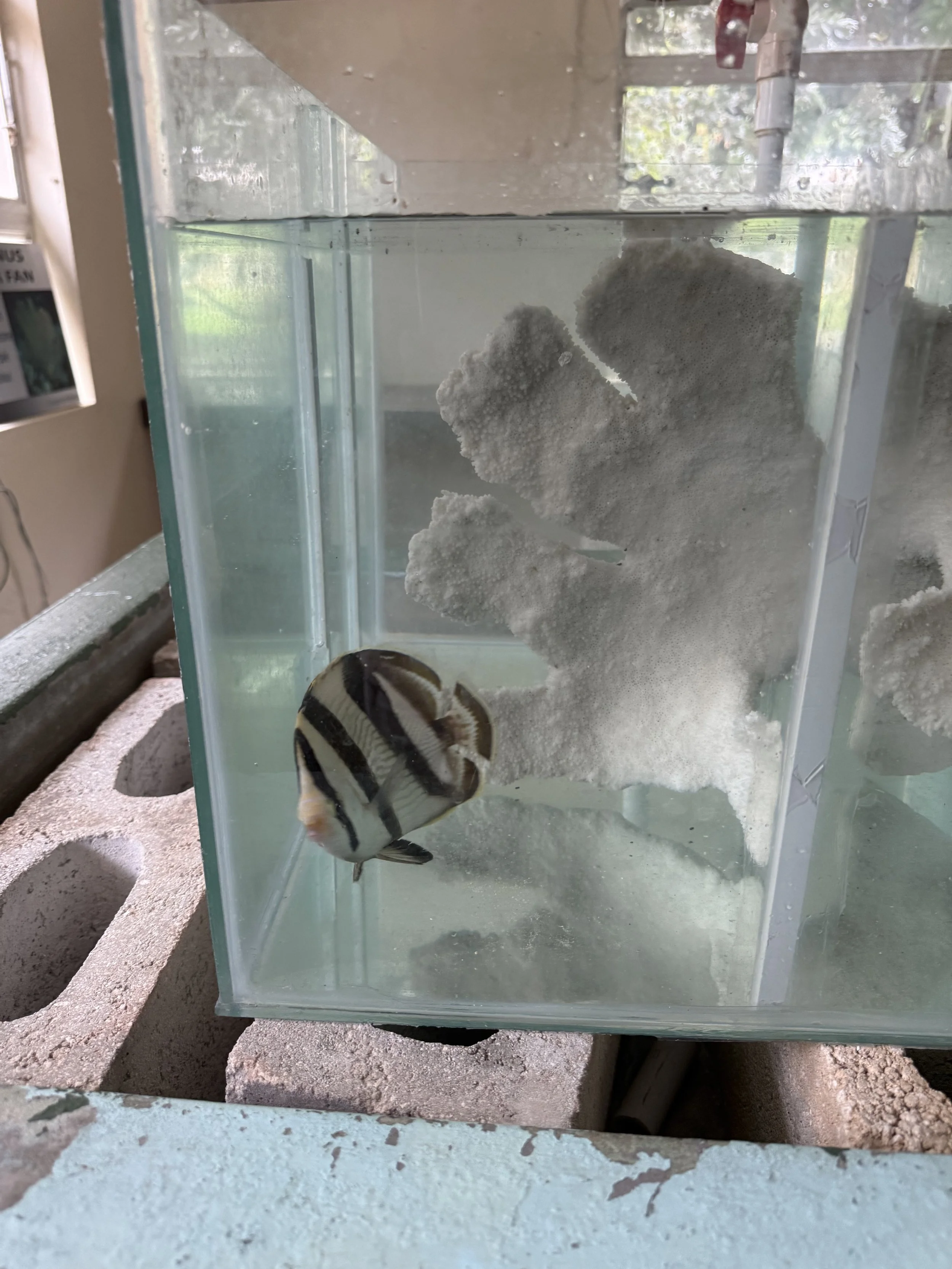
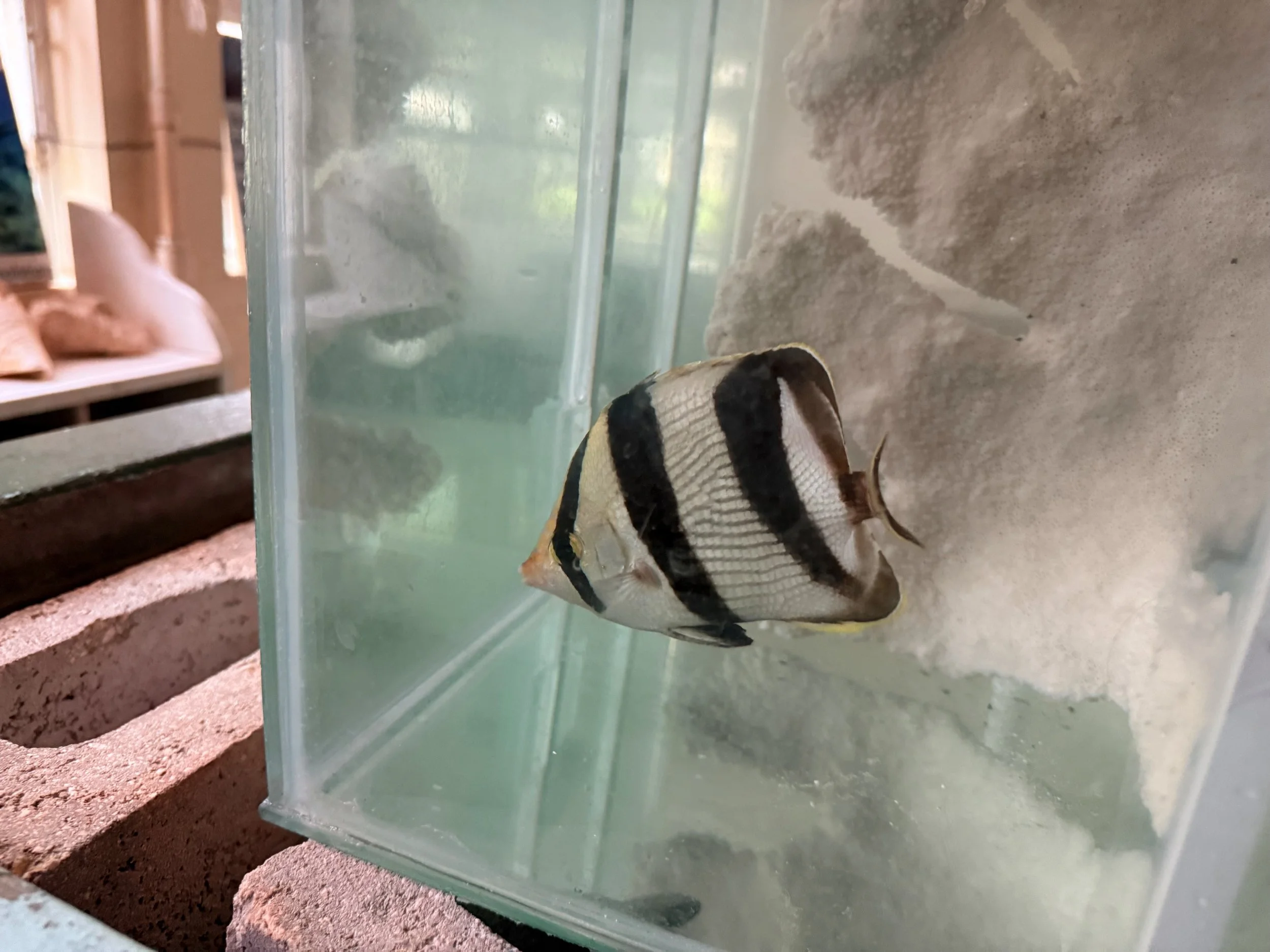
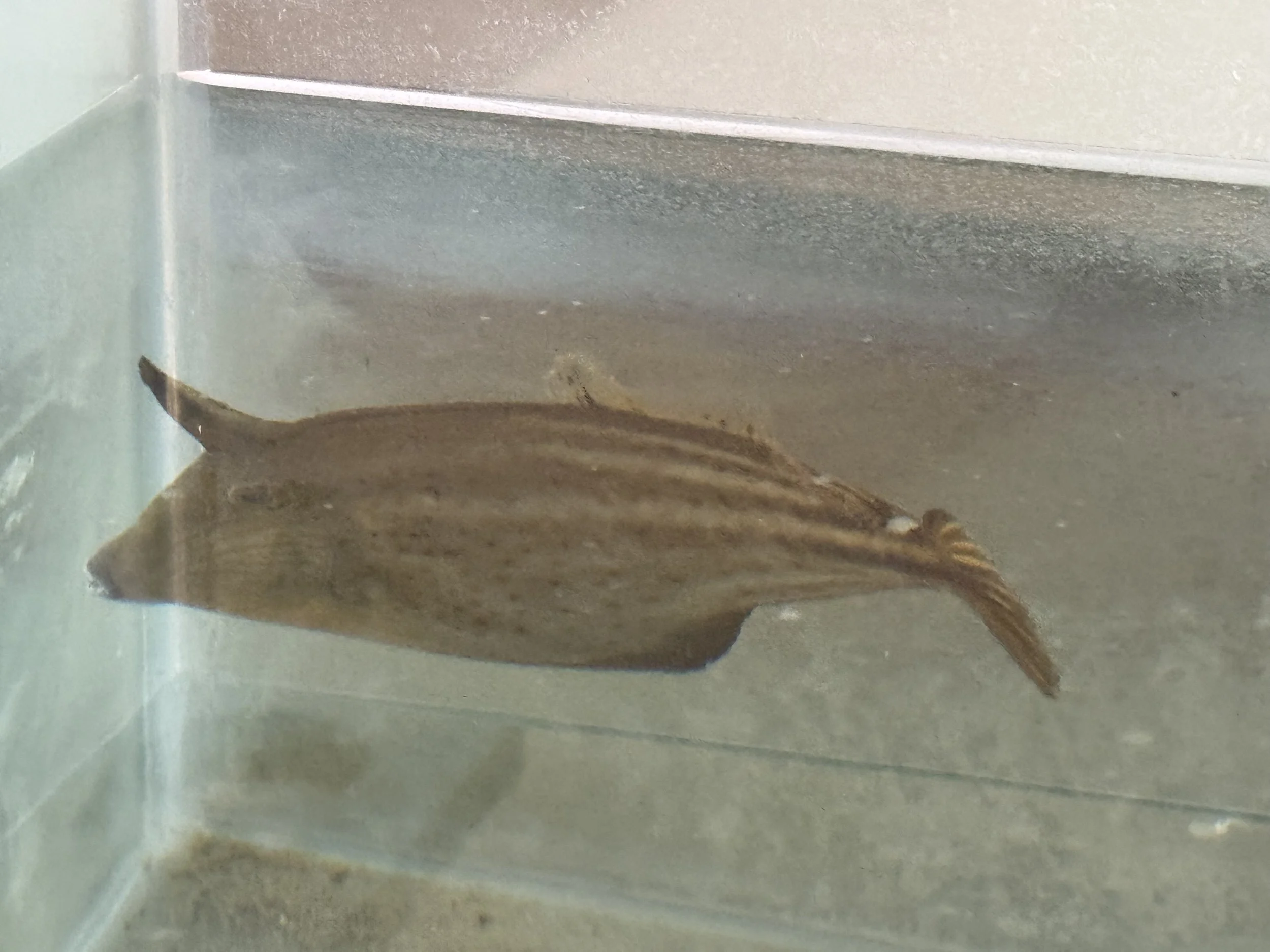
After the collection, the real work began. Each specimen was photographed under carefully controlled conditions using both visible and ultraviolet imaging. Standardised photography was essential, ensuring that differences between species reflected biological variation rather than changes in lighting or camera settings. By capturing both the visible and UV components of each fish's colouration, I was able to quantify ornamentation that would otherwise remain hidden from human observers.
Back in the laboratory, these images became the foundation for detailed image analysis. By measuring colour patterns across both spectral ranges and combining these data with information on species' ecology and life-history characteristics, I hope to better understand the evolutionary pressures that shape visual communication in coral reef fishes.
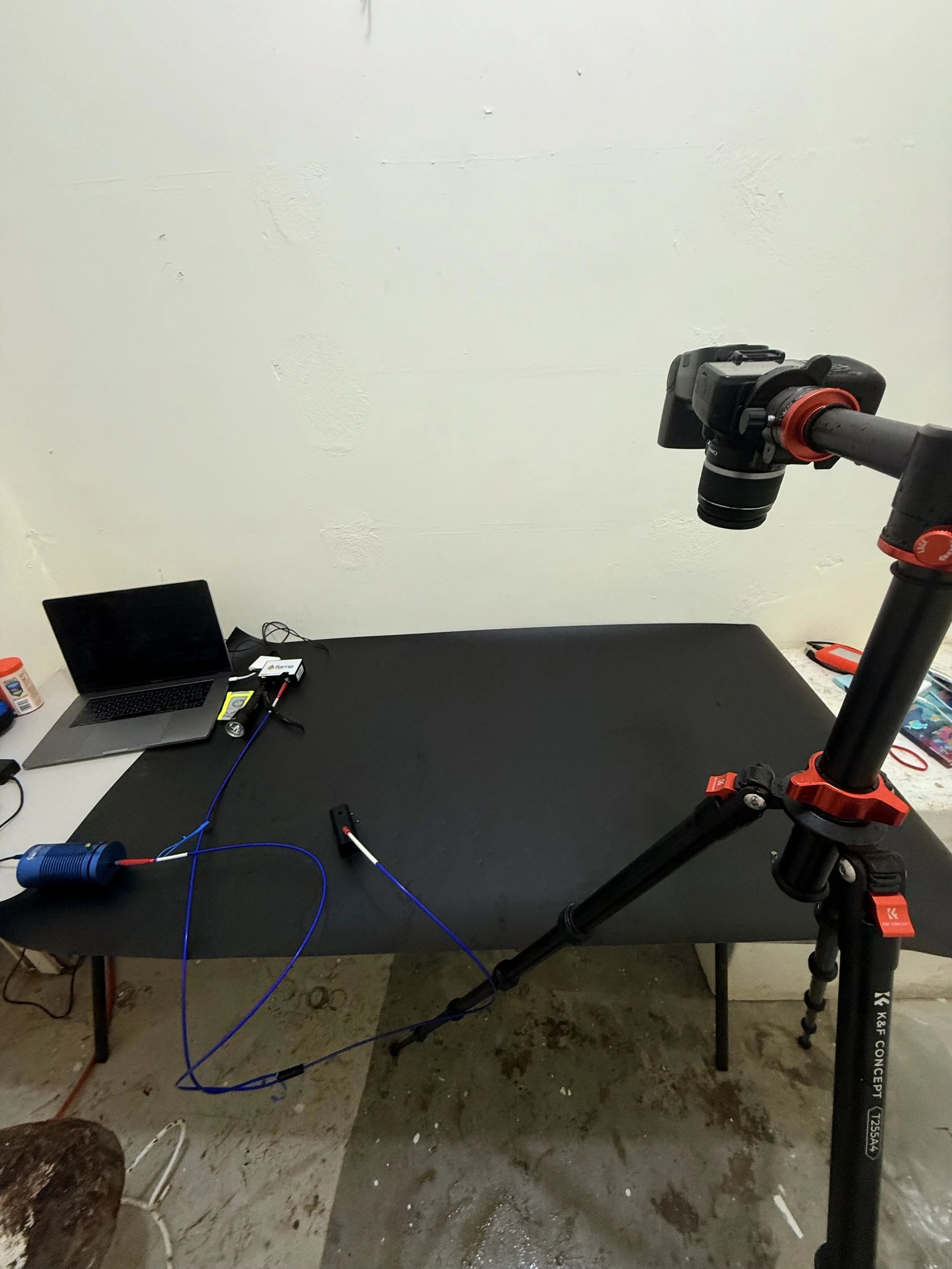
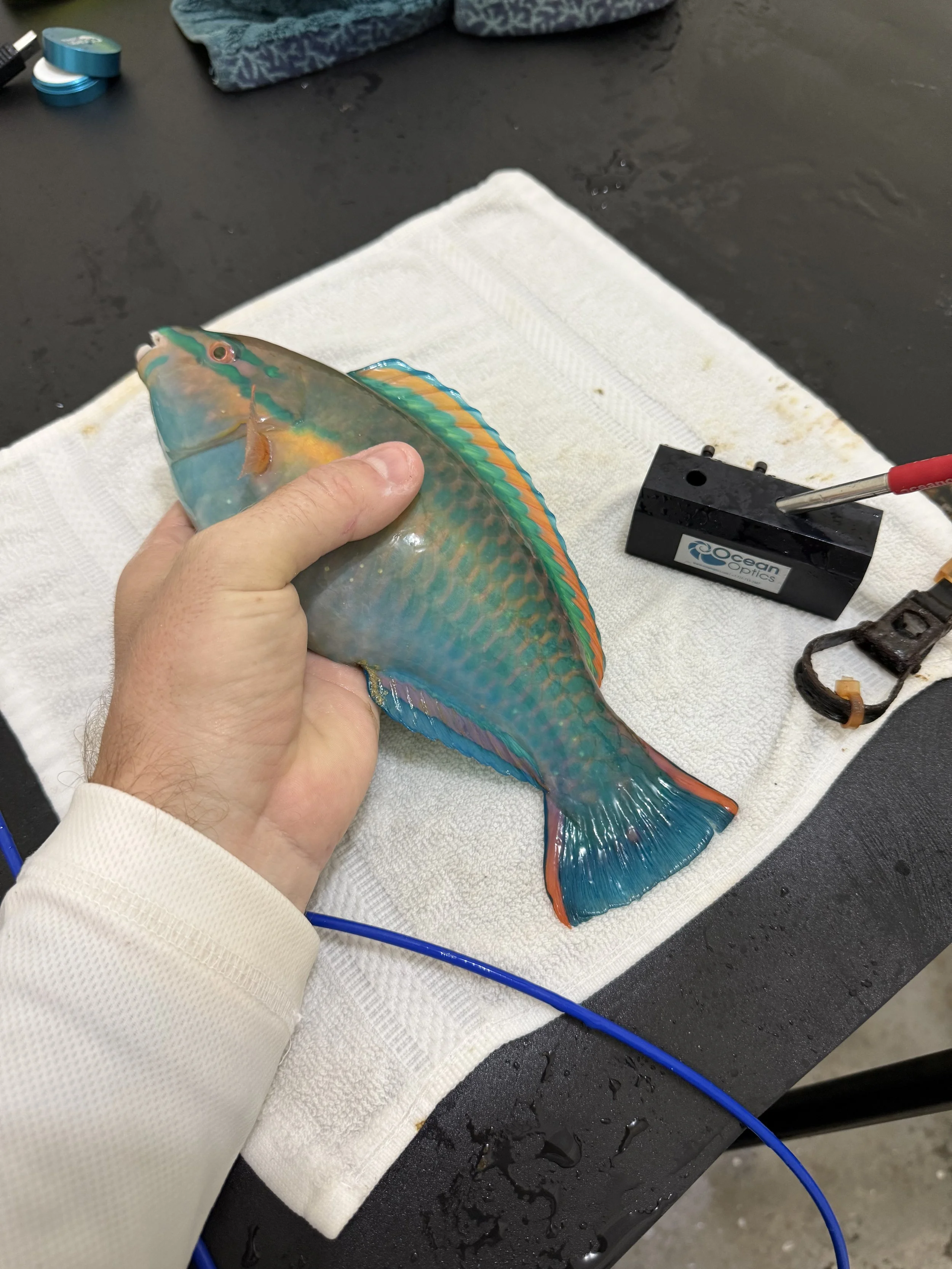
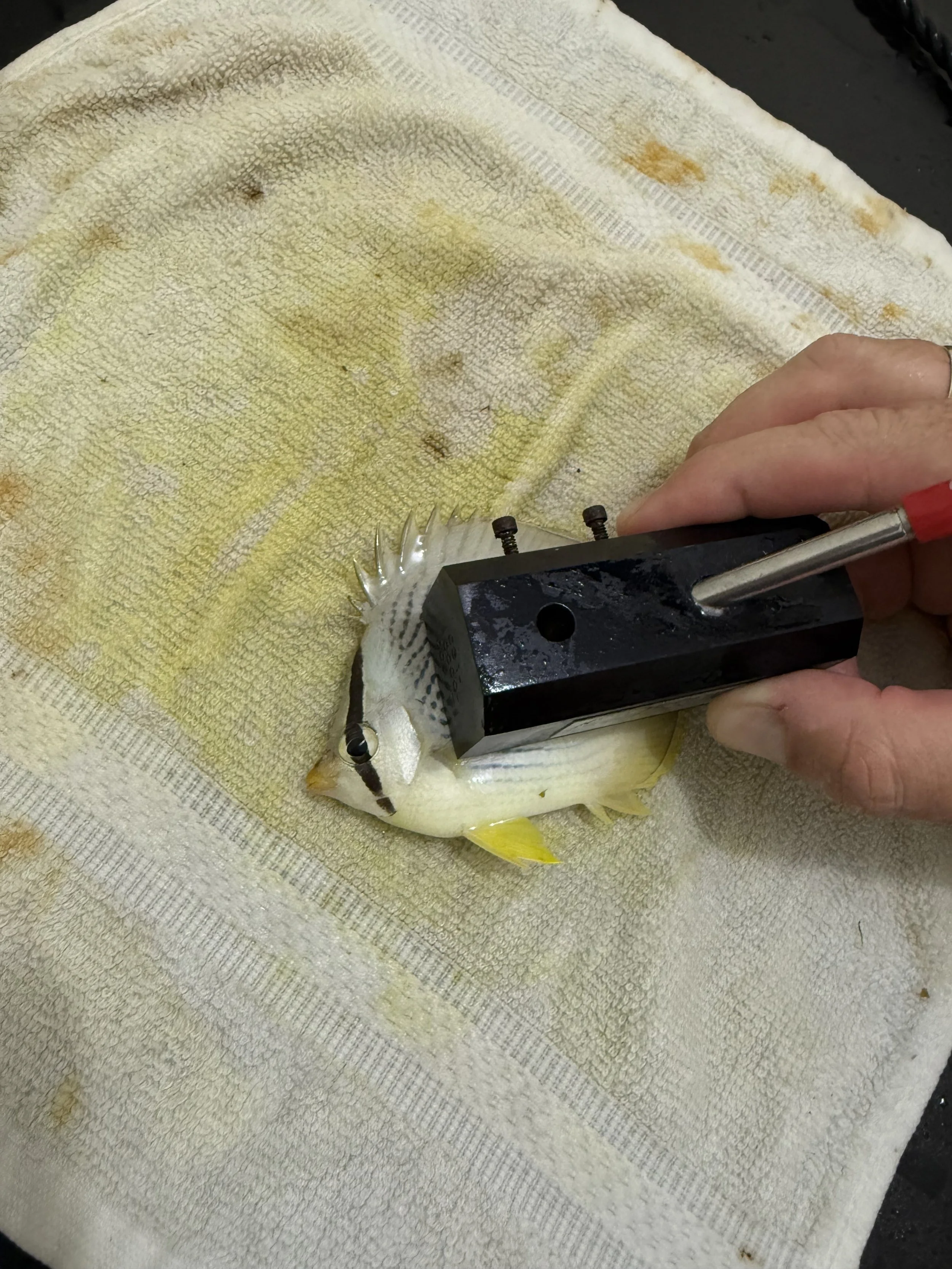
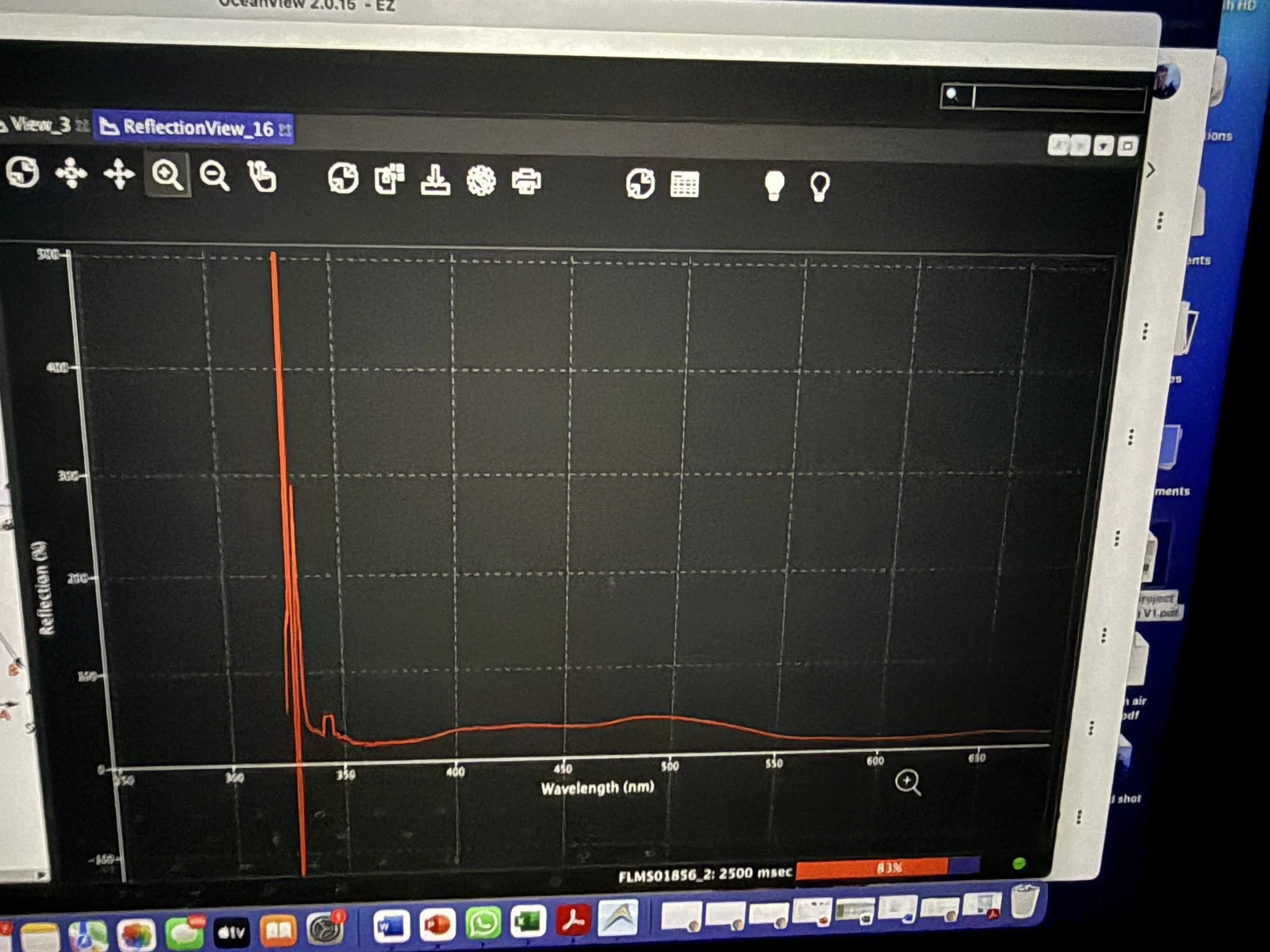
My second methodology involved the use of a spectrophotometer. An apparatus used to measure the light reflected from the ornamental patches of each fish across the visible and ultraviolet (UV) spectrum. Unlike photographs, which can be influenced by lighting and camera settings and perceived by the human eye (limited to our visual capabilities), spectrophotometry provides an objective and highly precise measurement of colour. This allowed me to capture the true reflectance of each ornament, including UV wavelengths that are invisible to the human eye but can be detected by many reef fishes. These measurements formed the foundation of my research, providing the quantitative data needed to compare ornamentation among species and investigate how ecology and life history have shaped the evolution of colour on coral reefs.
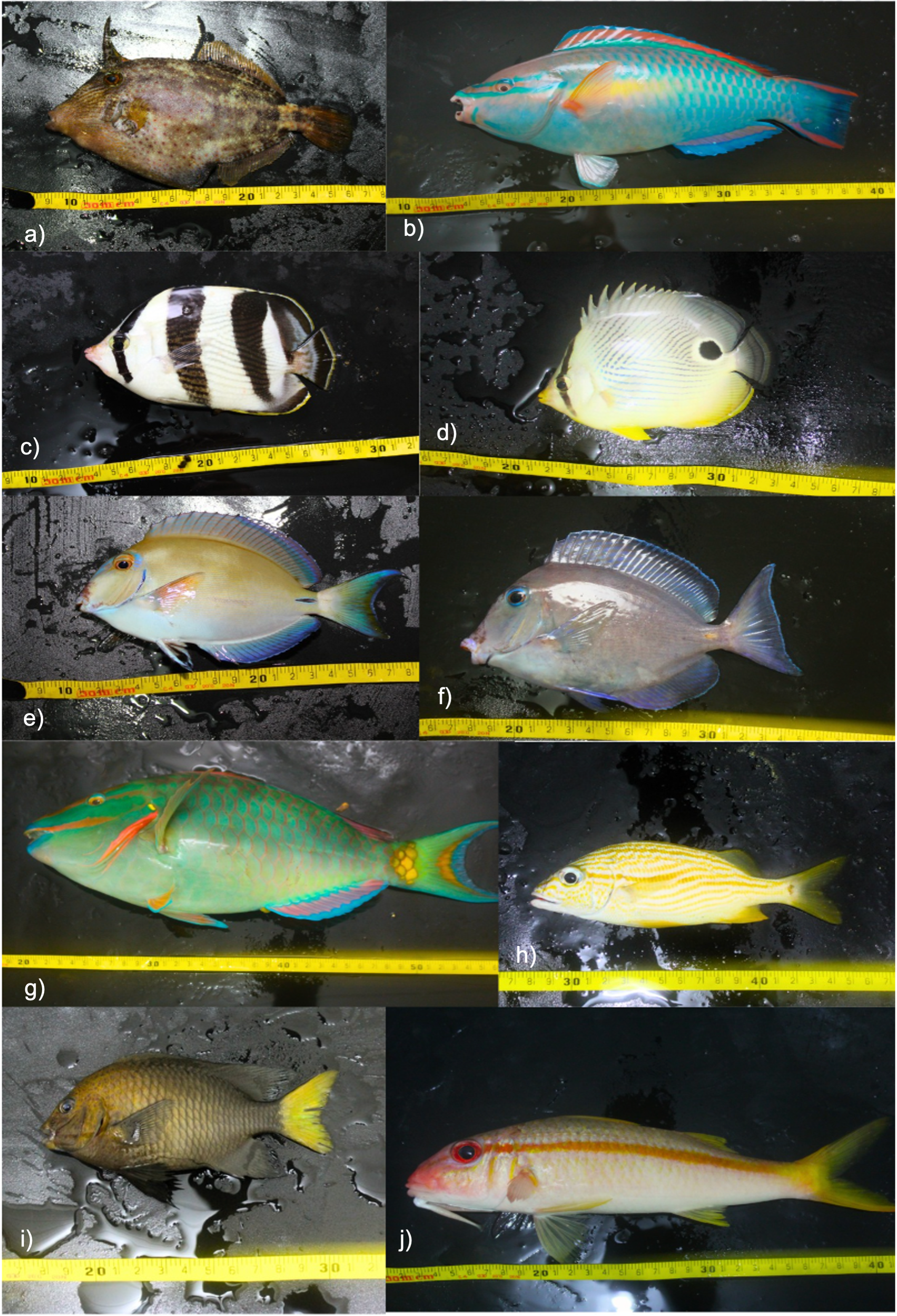
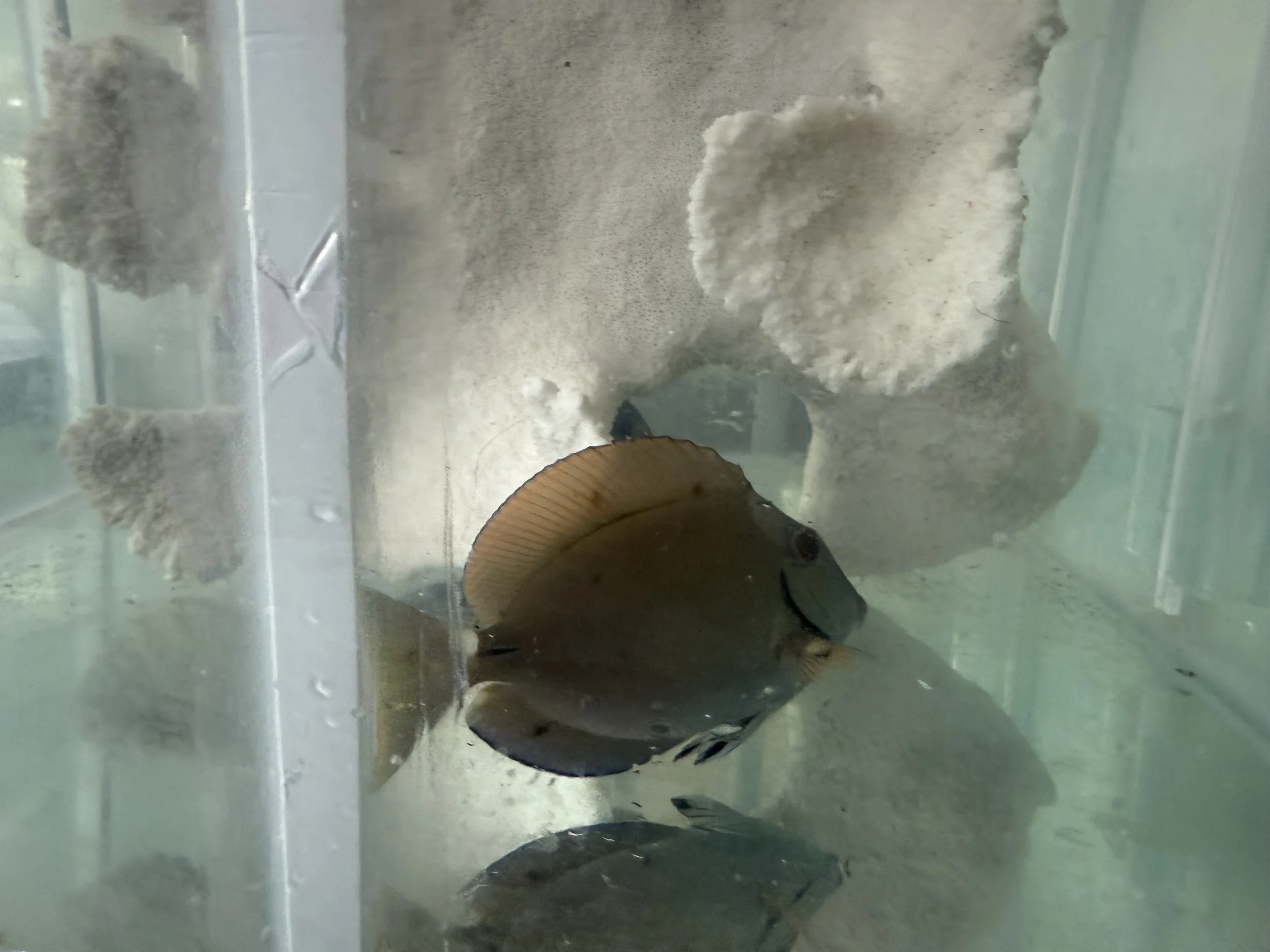
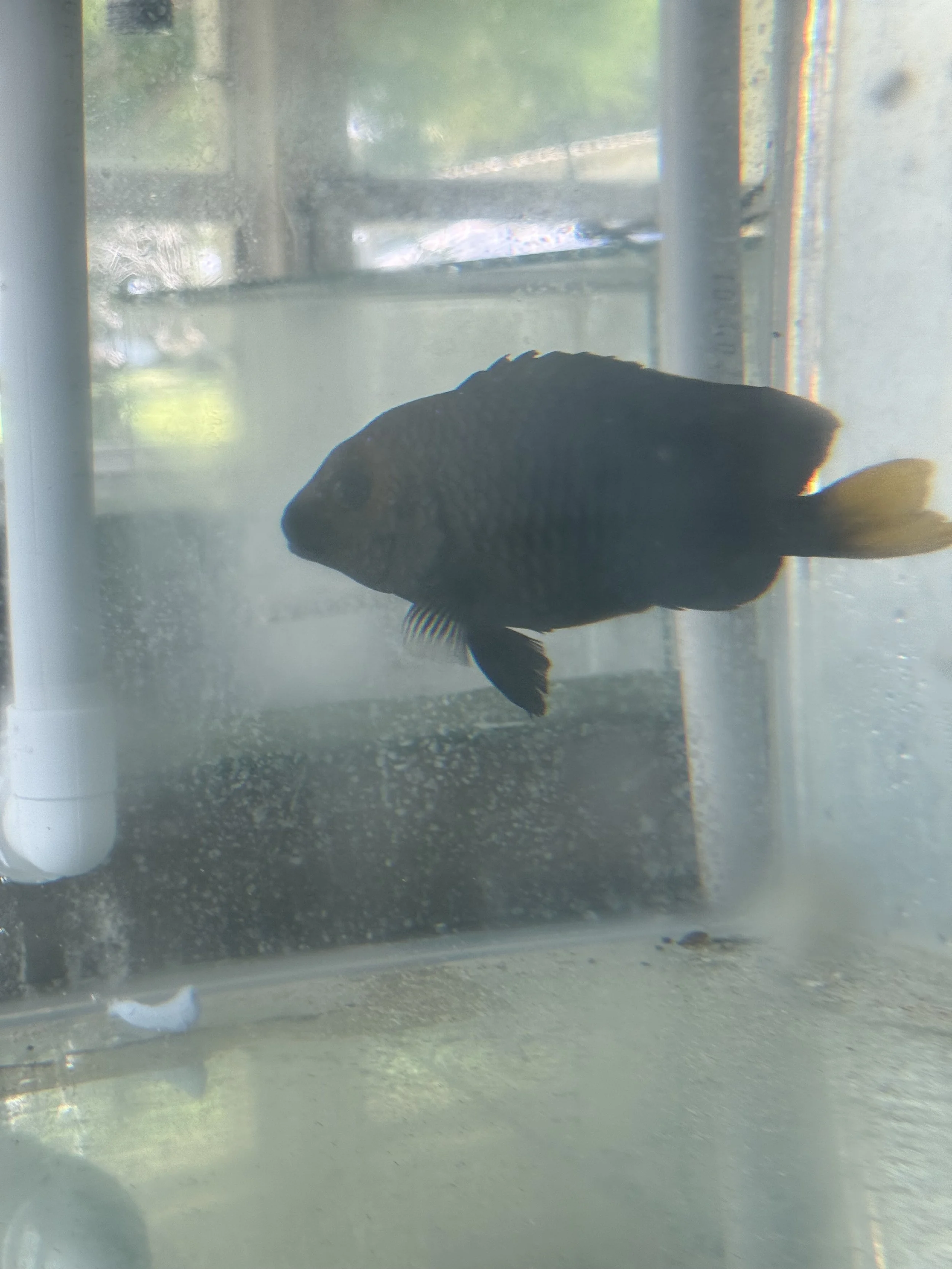
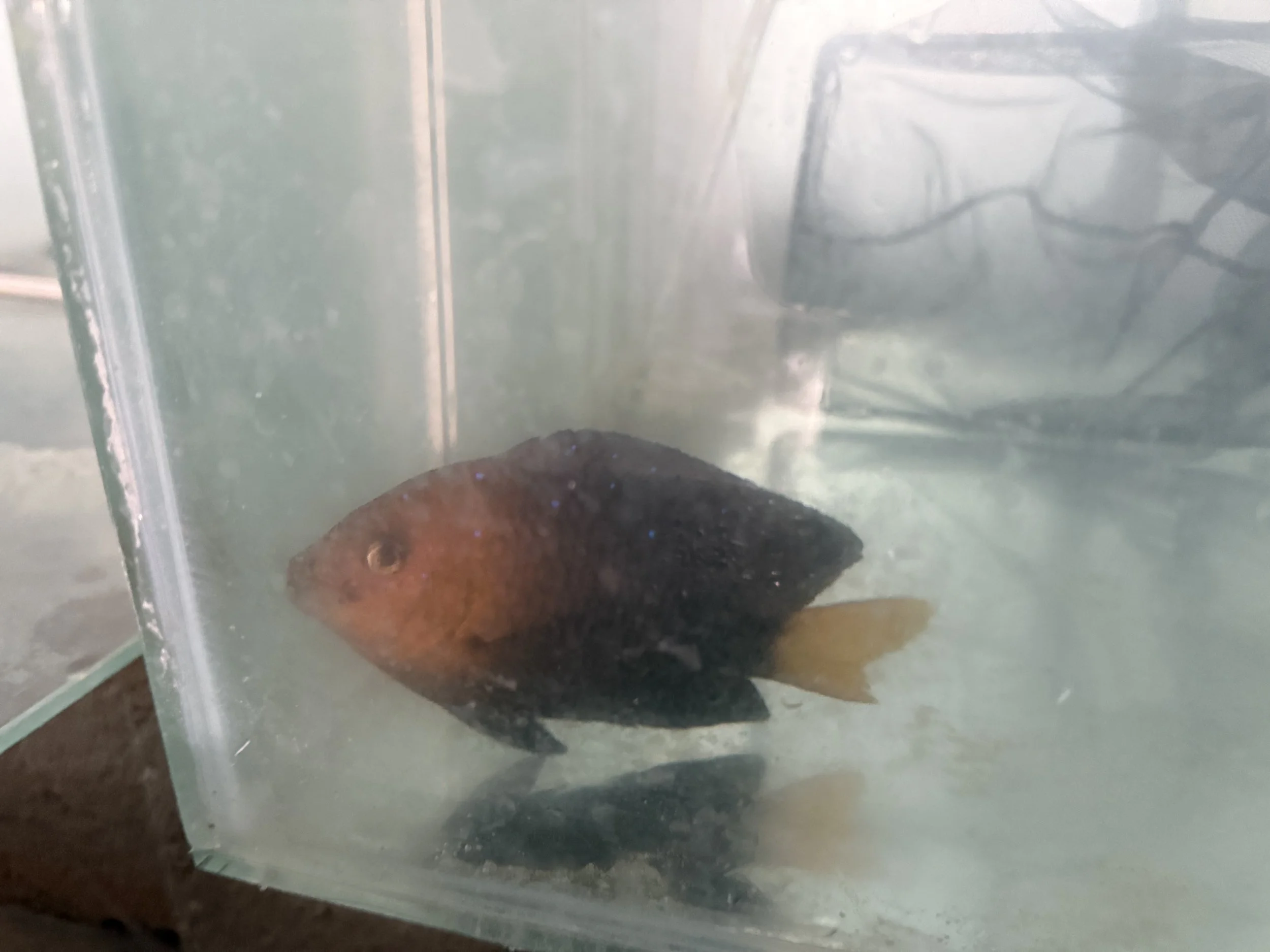
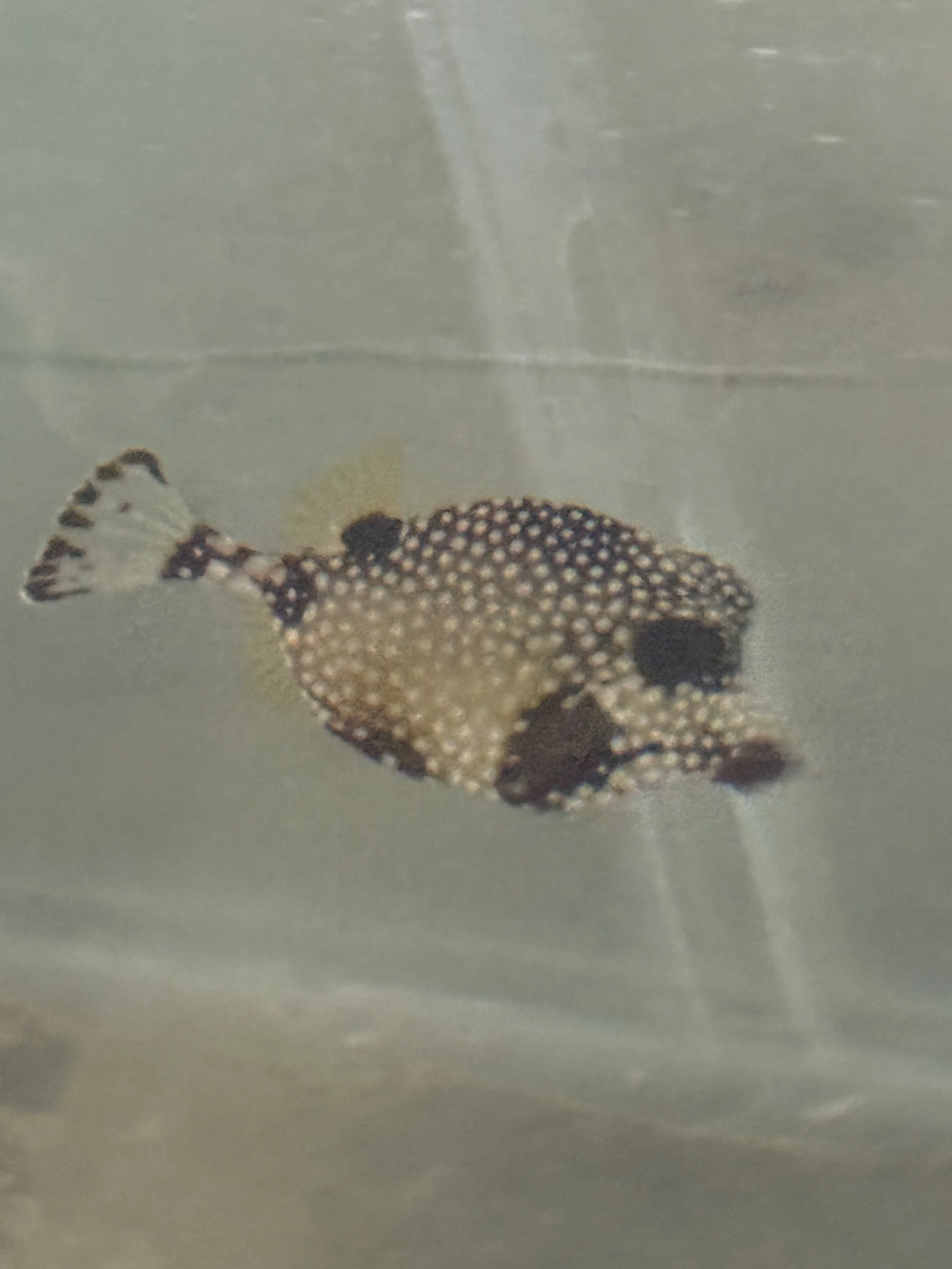
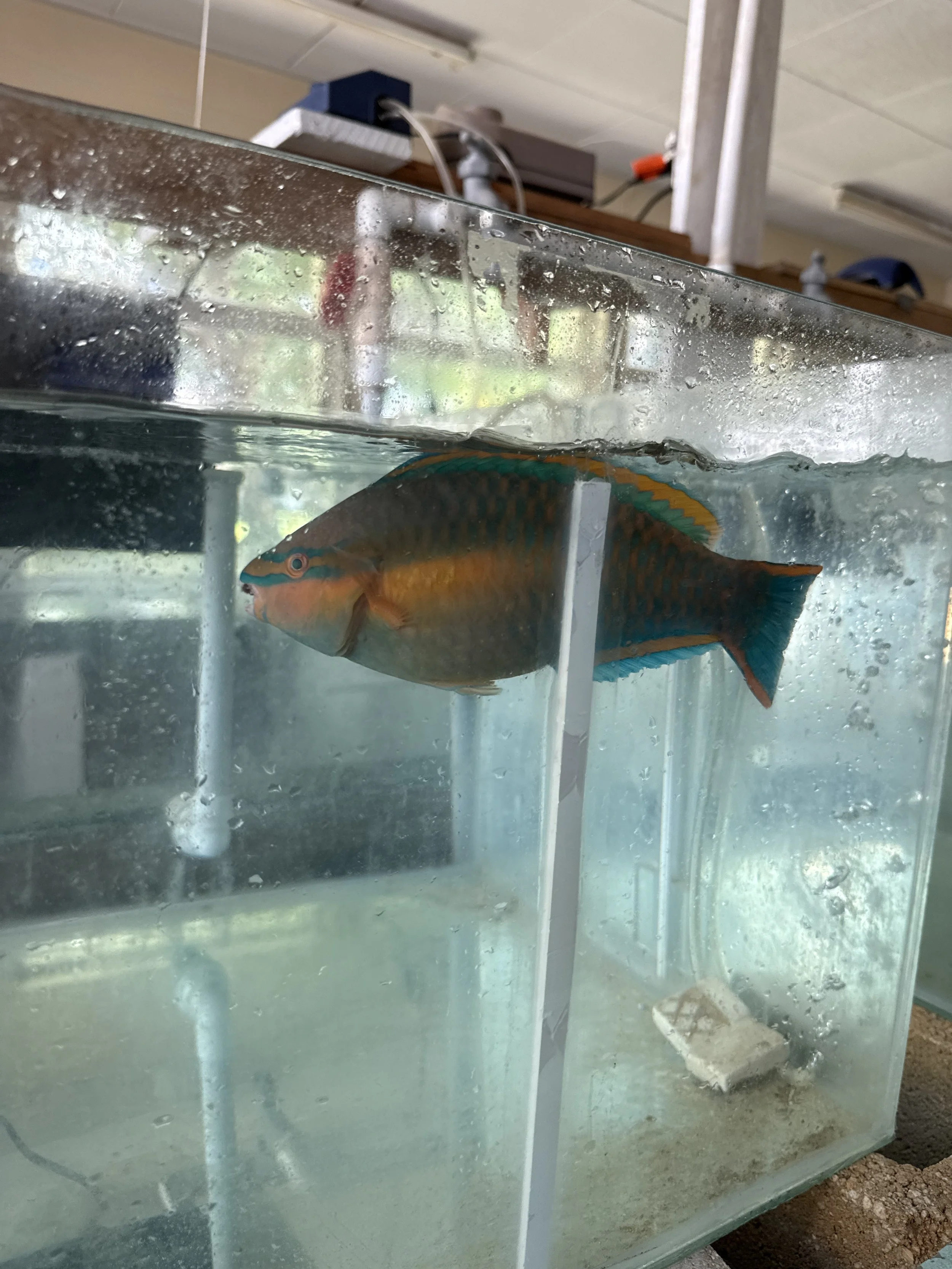
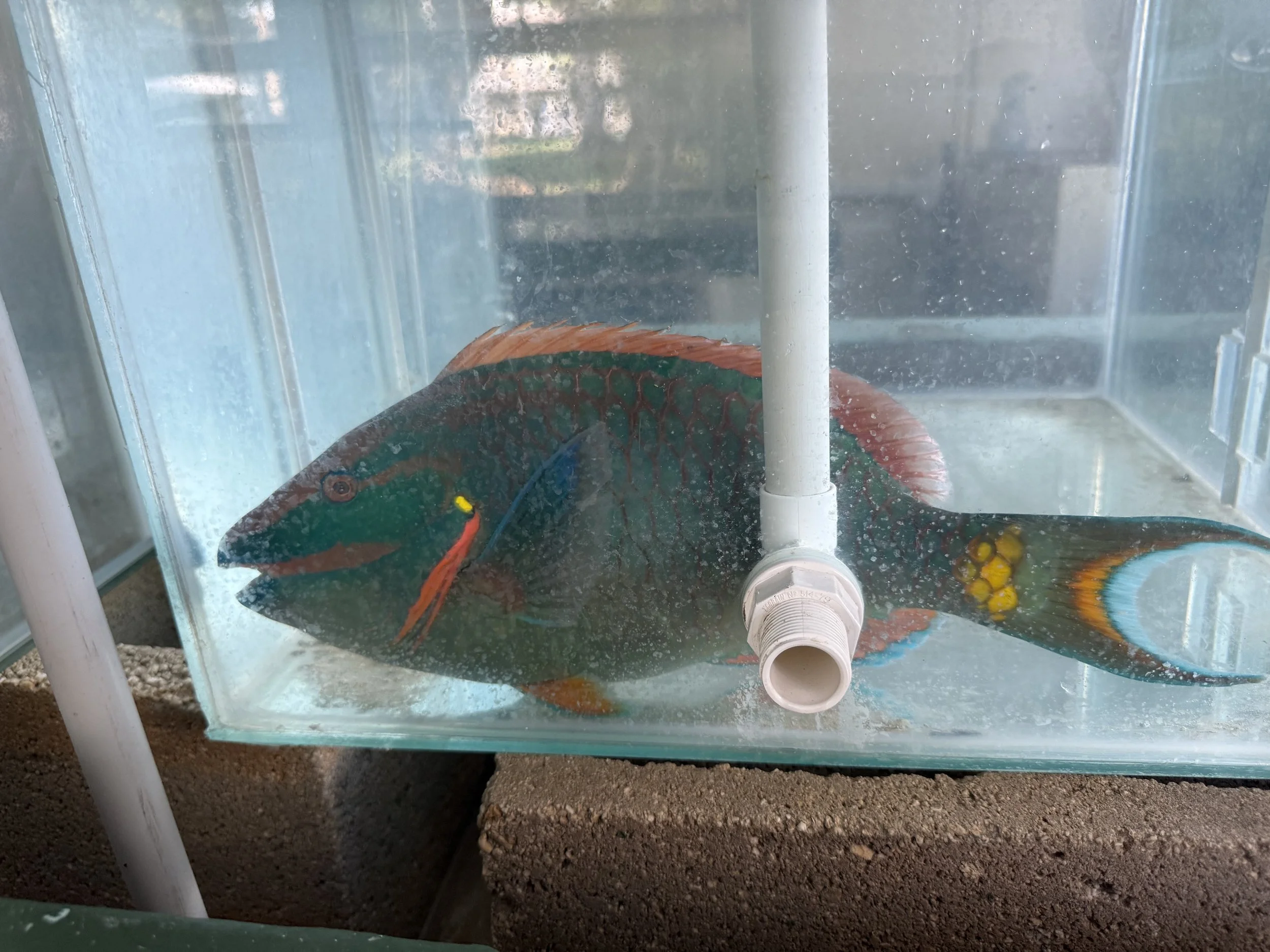
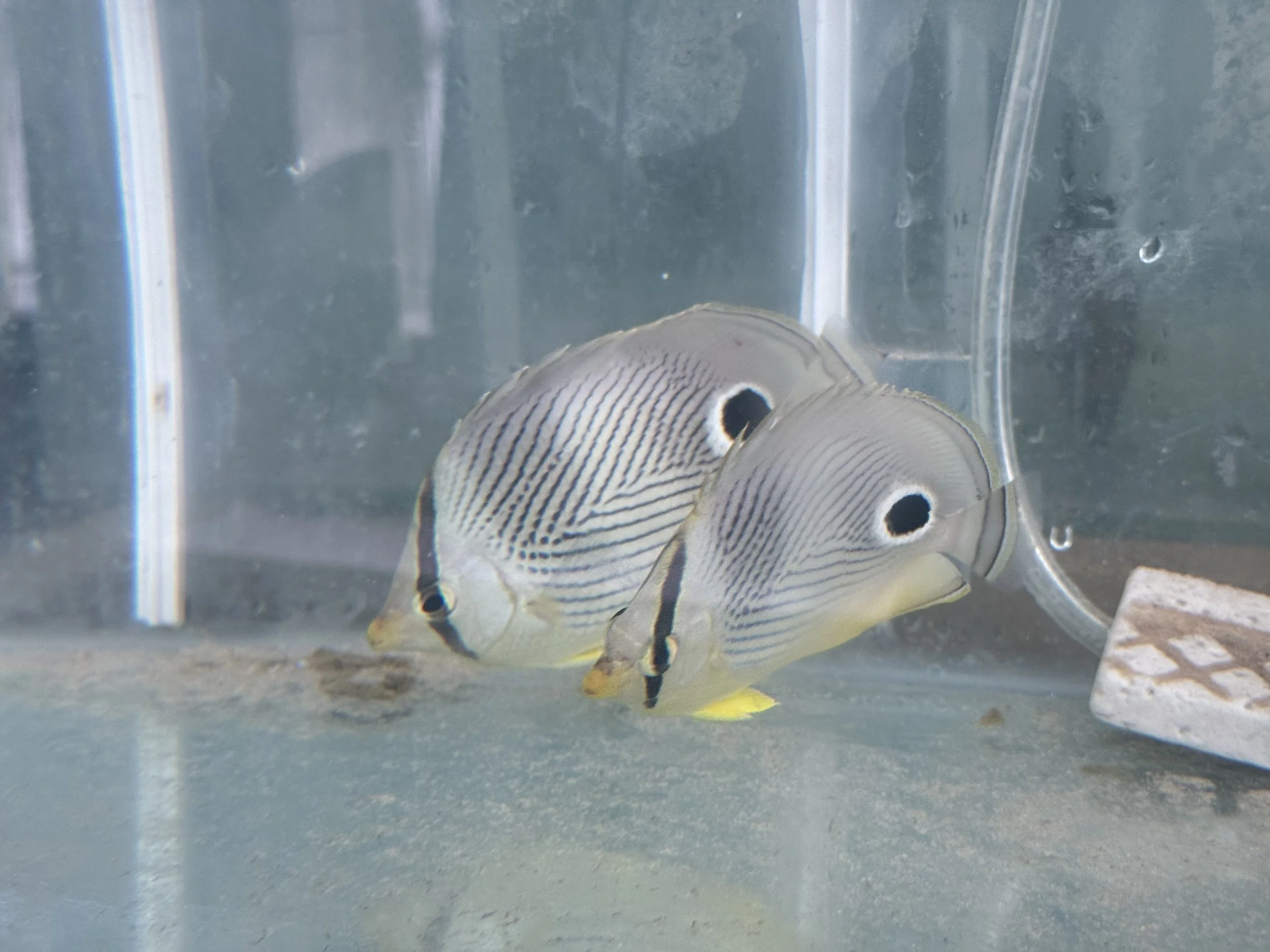
Representative photographs of the 10 reef fish species used in my study: a) Cantherhines pullus, b) Scarus taeniopterus, c) Chaetodon striatus, d) Chaetodon capistratus, e) Acanthurus tractus, f) Acanthurus coeruleus, g) Sparisoma viride, h) Haemulon flavolineatum, i) Microspathodon chrysurus and j) Mulloidichthys martinicus. Measuring tape shown for reference. All images are the copyright of Thomas Elliott.
Of course, fieldwork is never solely about data collection. Some of the most memorable moments came from simply spending time immersed in one of the world's most spectacular ecosystems. Coral reefs are astonishingly dynamic environments, where every dive offers something unexpected. Whether encountering curious fishes inspecting the camera, watching cleaning stations in action, or simply appreciating the incredible biodiversity surrounding me, these experiences served as constant reminders of why marine research is so rewarding.
Field research also highlights how much effort lies behind every scientific publication. Data that may eventually appear as a single figure in a thesis or journal article often represent weeks of planning, long days in challenging conditions, careful laboratory work, and countless hours of image processing and statistical analysis (which I do love). Seeing only the finished results rarely conveys the dedication required to produce robust scientific research.
Returning from Barbados marked the beginning of the next phase of the project. The months that followed were spent processing thousands of images, analysing data, interpreting results, and finally writing my MSc thesis. Although much of science happens behind a computer after fieldwork ends, every analysis brought me back to those reefs and the remarkable animals that inspired the project.
Beyond contributing to our understanding of colour evolution, this project has reinforced my passion for coral reef research and evolutionary ecology. As coral reef ecosystems continue to face increasing environmental pressures, understanding the biology and behaviour of their inhabitants becomes ever more important. Every piece of research helps build a more complete picture of these extraordinary ecosystems and the processes that have shaped them over millions of years.
Looking back, my time in Barbados was far more than an overseas research trip. It was an opportunity to investigate questions that have fascinated evolutionary biologists for decades, develop new research skills, and experience first-hand the remarkable biodiversity of Caribbean coral reefs. It has also strengthened my ambition to continue pursuing research into the evolution and ecology of reef fishes through future doctoral study.
The colours we see on coral reefs are already breathtaking. Yet beneath the surface lies an invisible world of ultraviolet signals that has evolved through millions of years of natural and sexual selection. Uncovering even a small part of that hidden world has been one of the most rewarding experiences of my academic journey so far.