Backyard Science - Moth Monitoring Challenge
Surrey, England – June 2021
Given any opportunity, I’m always happy to contribute to citizen science and natural history projects. A professor of mine, knowing full well my interest in Lepidoptera (moths and butterflies), asked if I would like to take part in a moth monitoring challenge held between local research institutions. Though not driven by competition, the chance to assess the moth diversity of my own back garden—while contributing to local ecological data—was an opportunity too good to miss.
There was, however, one immediate problem: I didn’t own a moth trap.
It had long been on my zoological wish list, but until now, I had managed with improvised methods. In the past, I had experimented with a simple setup—white sheet, bright light, and patience. While effective to a degree, it came with limitations. The sampling window was short, it required constant supervision, and perhaps most critically, it was not the most neighbour-friendly approach. A bright, exposed bulb illuminating the garden late into the night was unlikely to win me any favour.
Reluctantly, I ruled it out. With lectures early the following morning, spending hours monitoring a makeshift light trap wasn’t realistic.
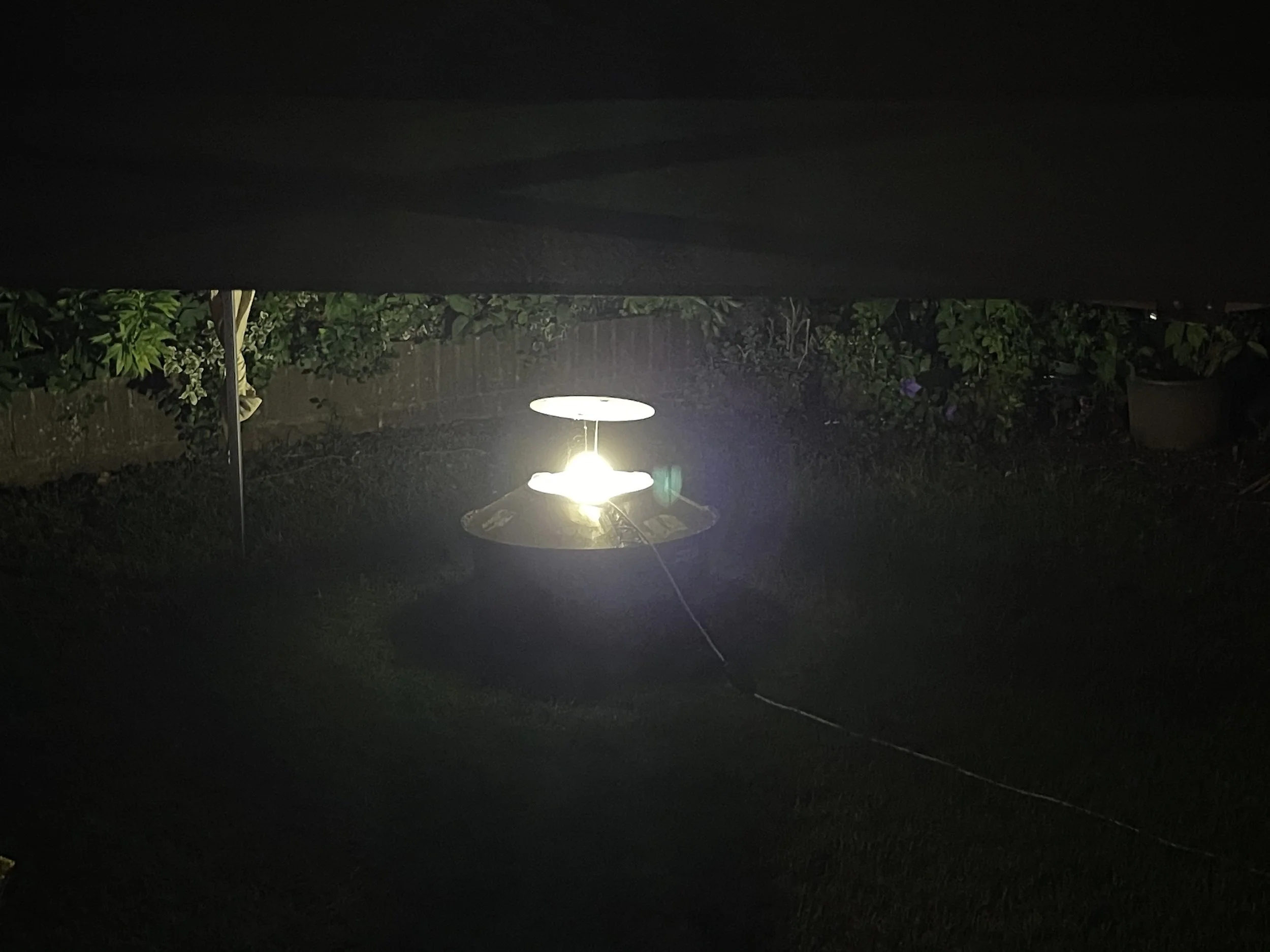
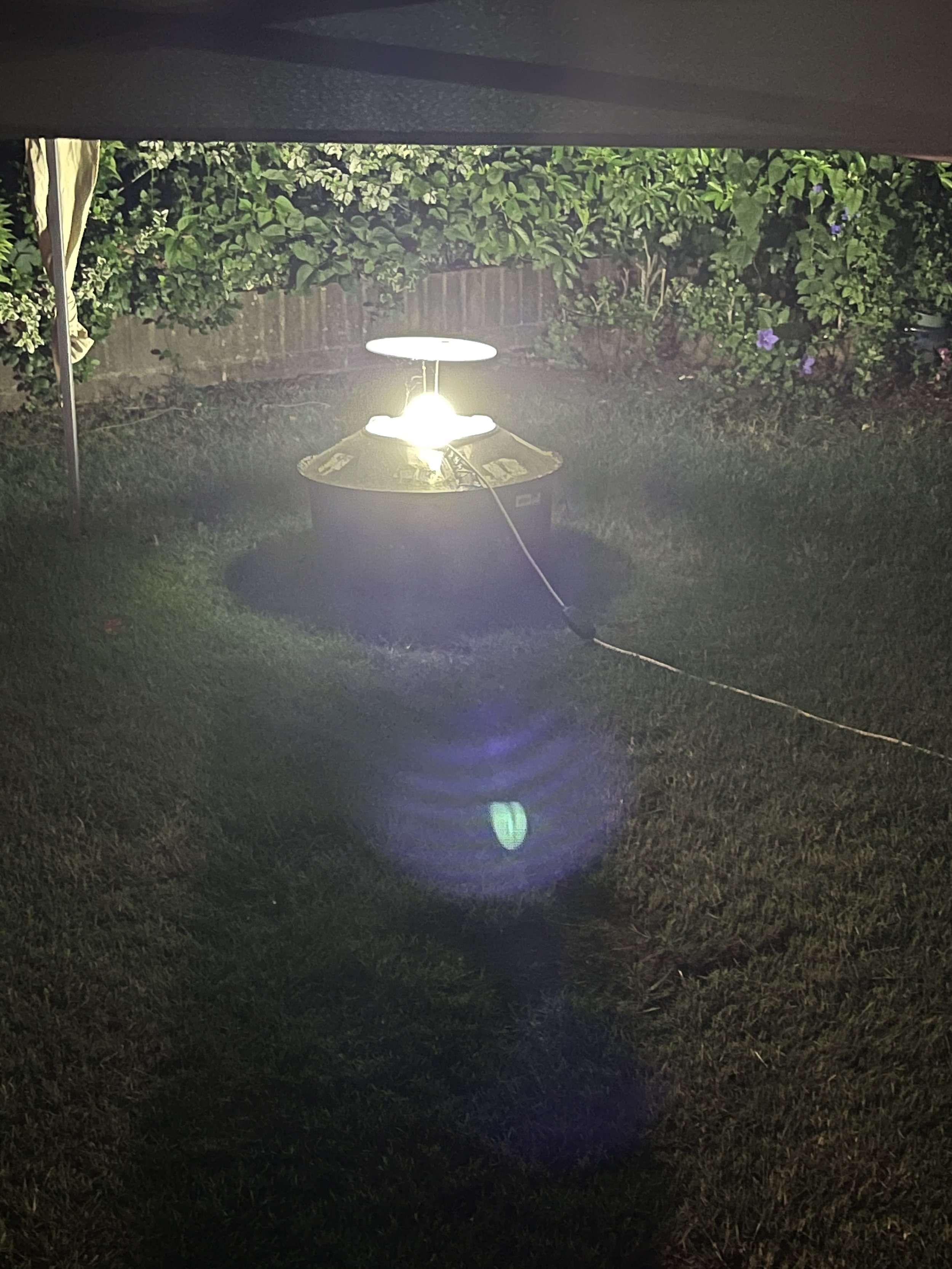
Instead, I reached out to my professor, hoping she might have a spare moth trap available. As it turned out, I was in luck. That very afternoon, I found myself in her office being handed what could only be described as a small UFO, accompanied by an impressively long cable that, at the time, seemed excessive—though it wouldn’t take long to realise just how useful it was.
That evening, I set the trap up in the garden. The process felt oddly ceremonial—carefully positioning it, checking the light, and routing the cable back to the house without creating a midnight hazard. As dusk settled, so did a quiet sense of anticipation.
Moth trapping is, in many ways, an exercise in patience. There is little to do but wait and trust that the light will do its work. As darkness deepened, the trap began to attract its first visitors—initially sporadic, then steadily more frequent.
By morning, the real work began.
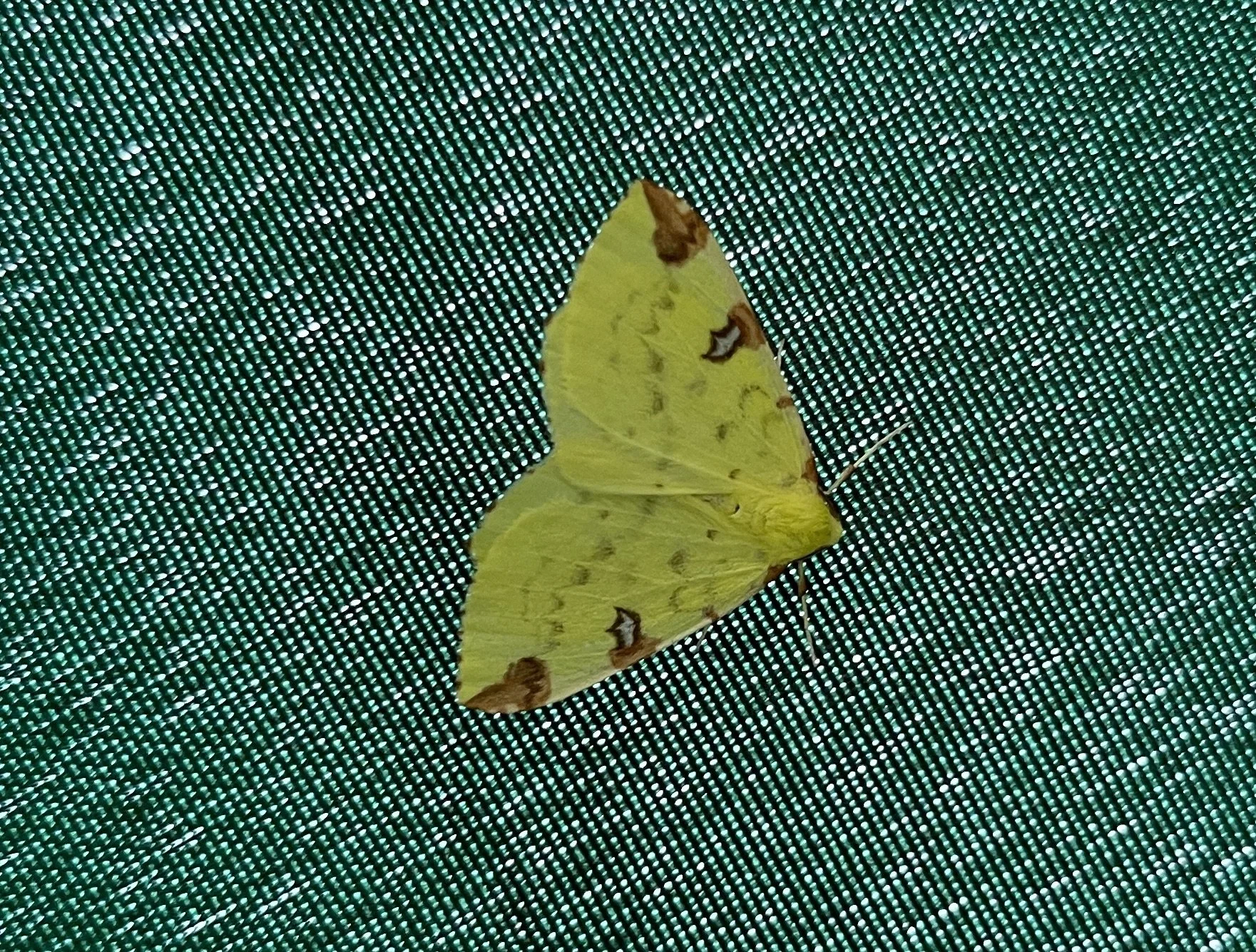
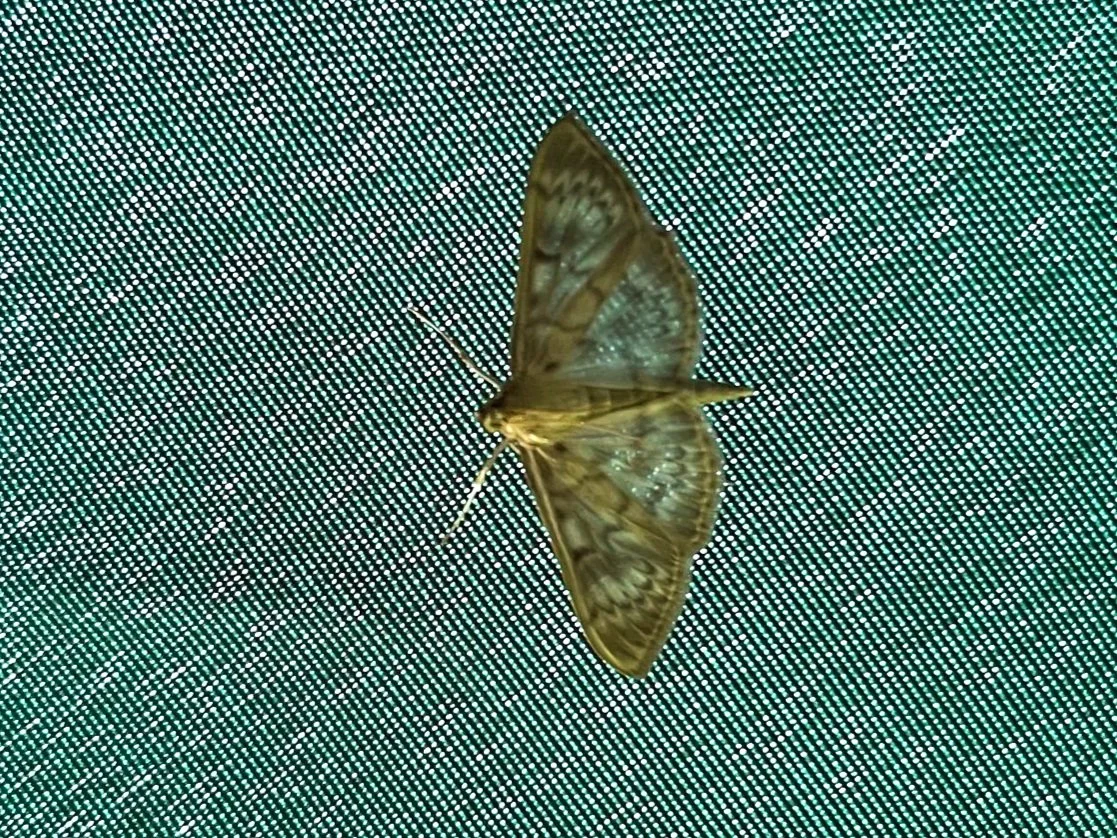
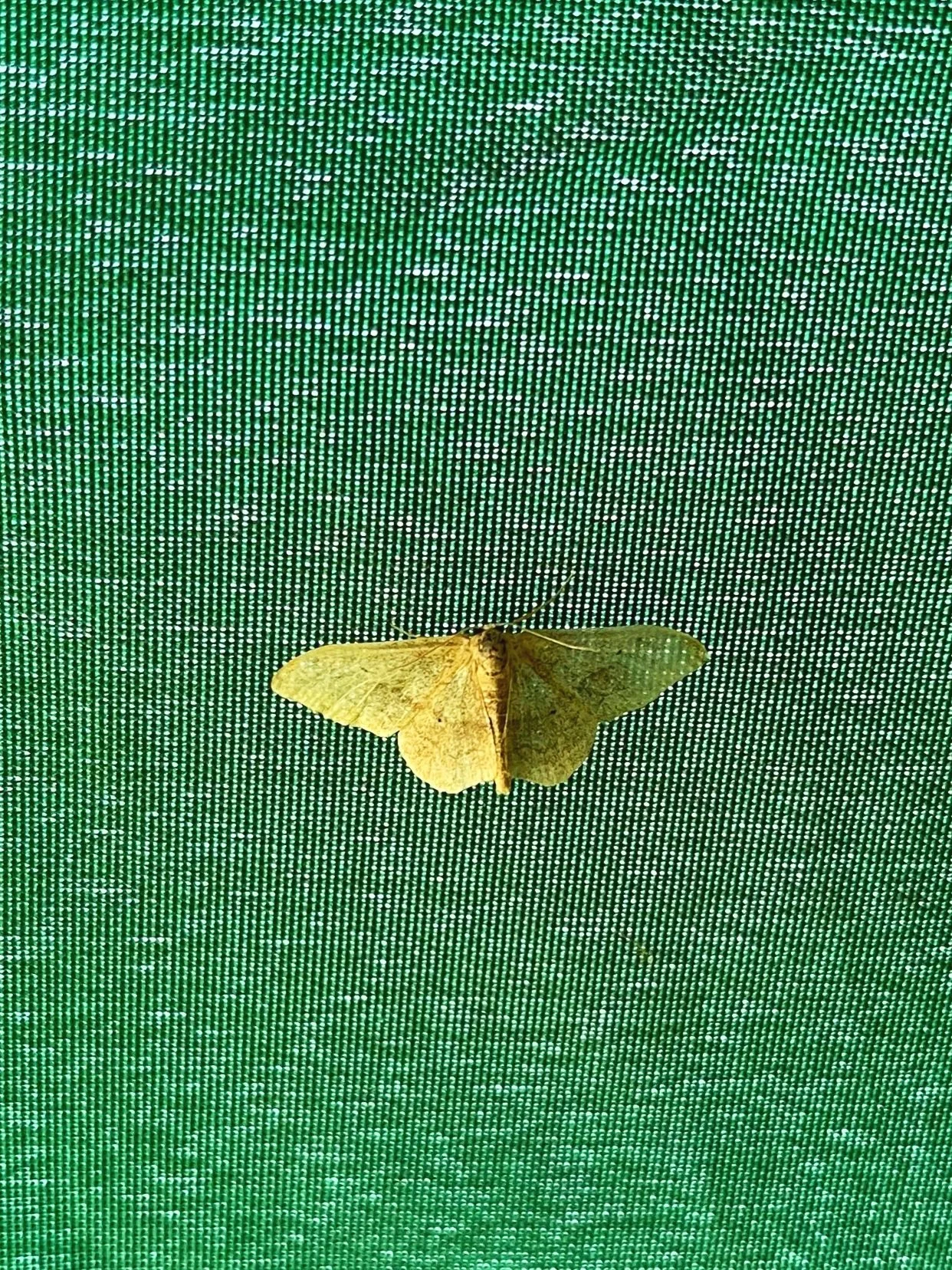
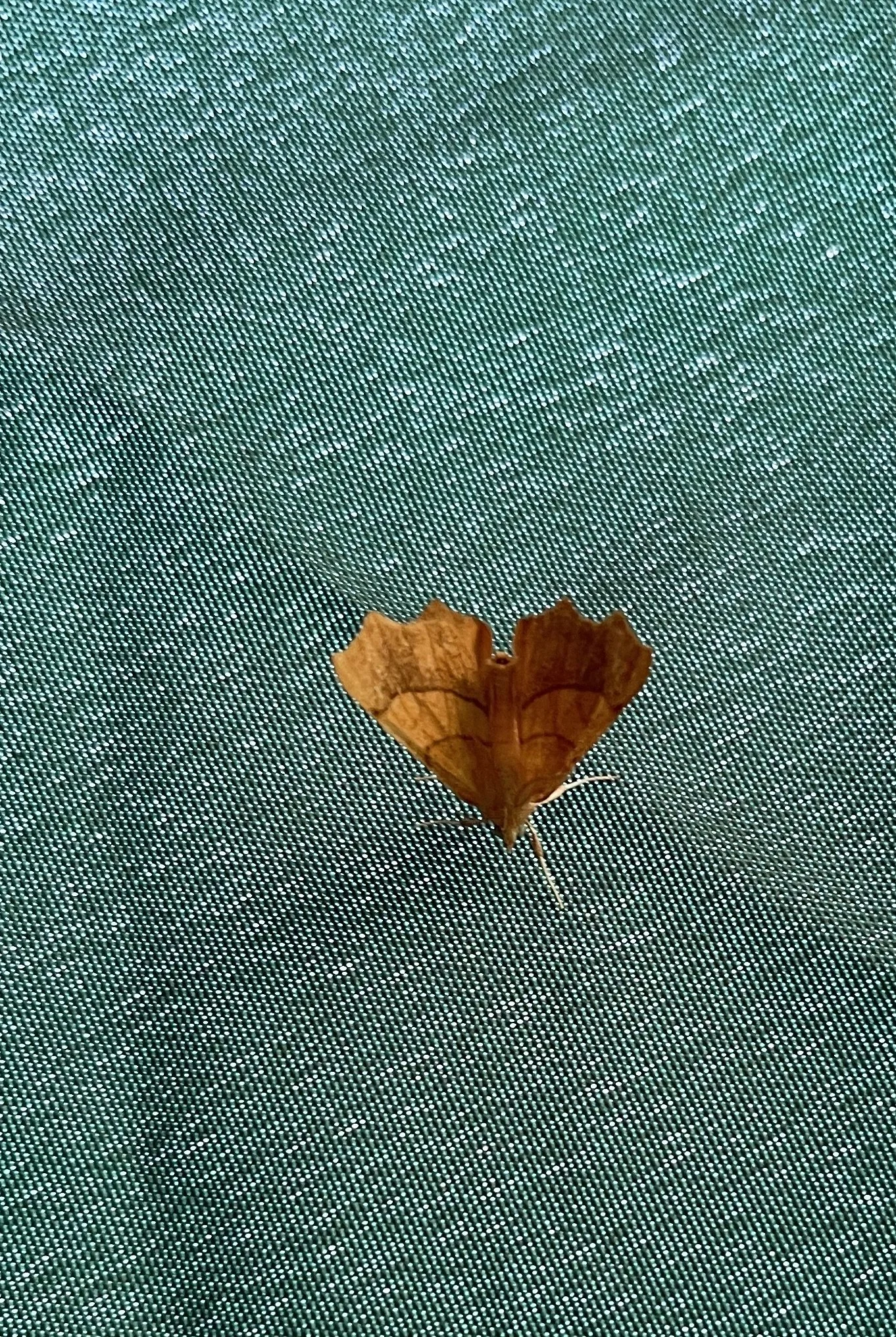
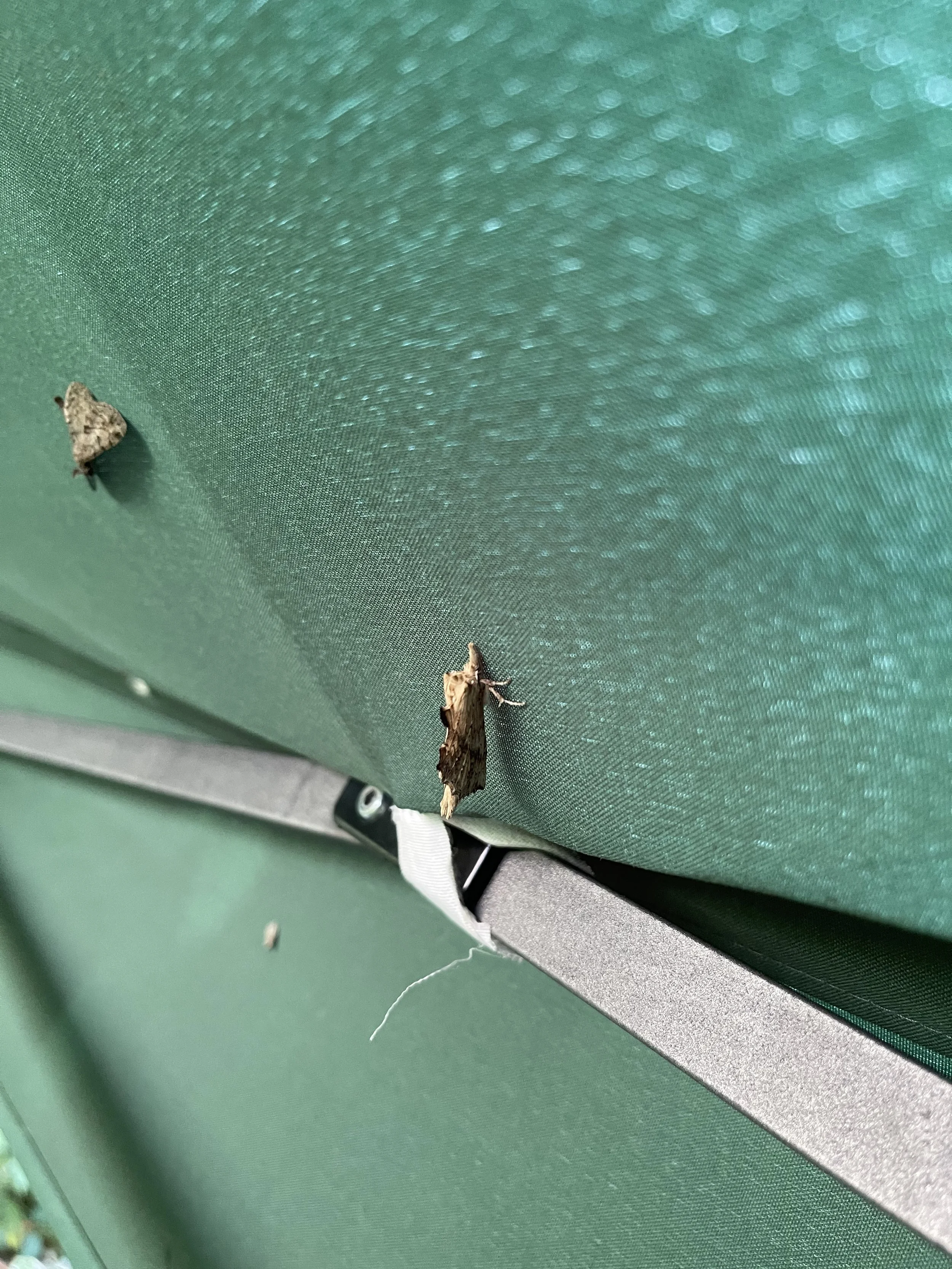
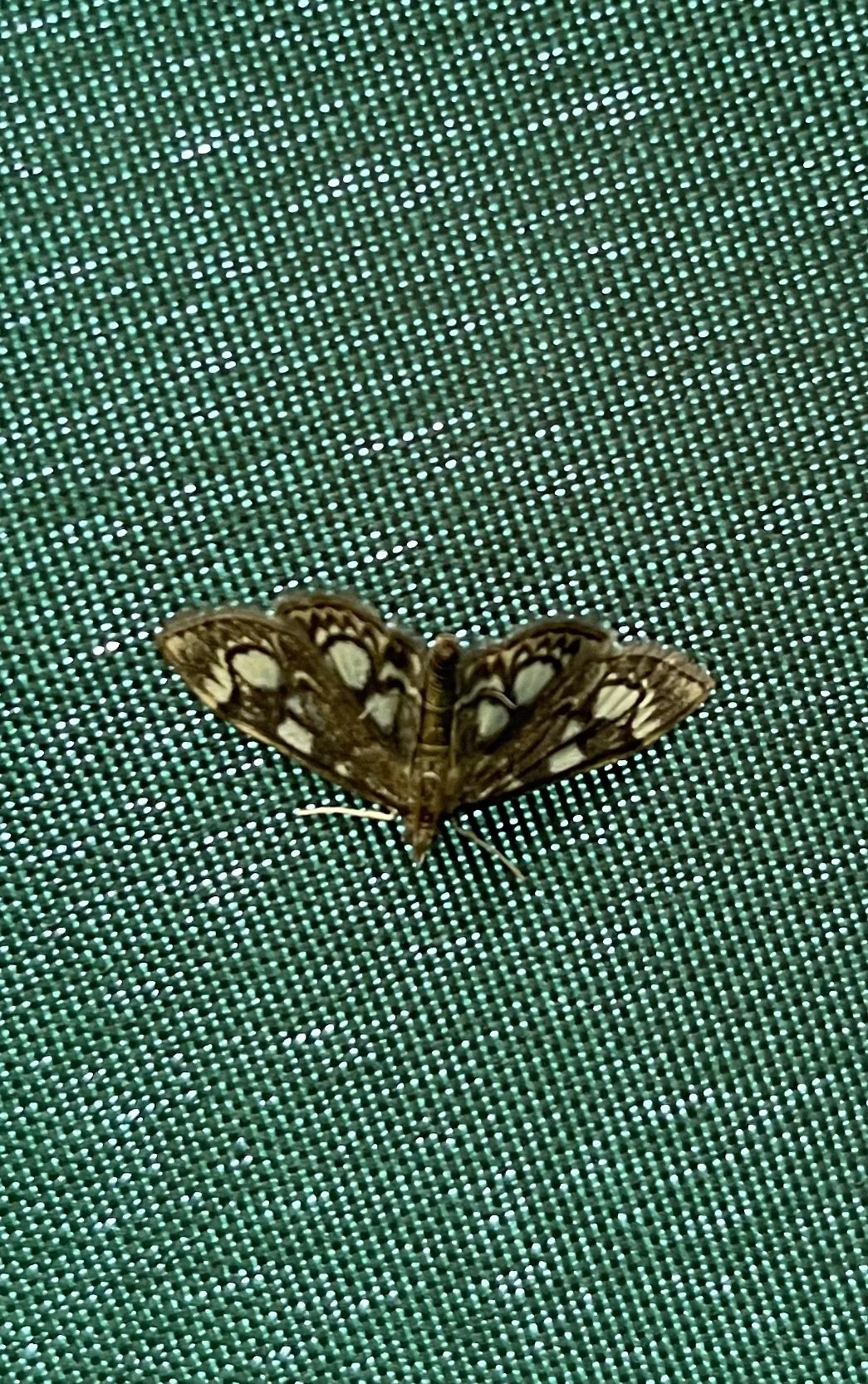
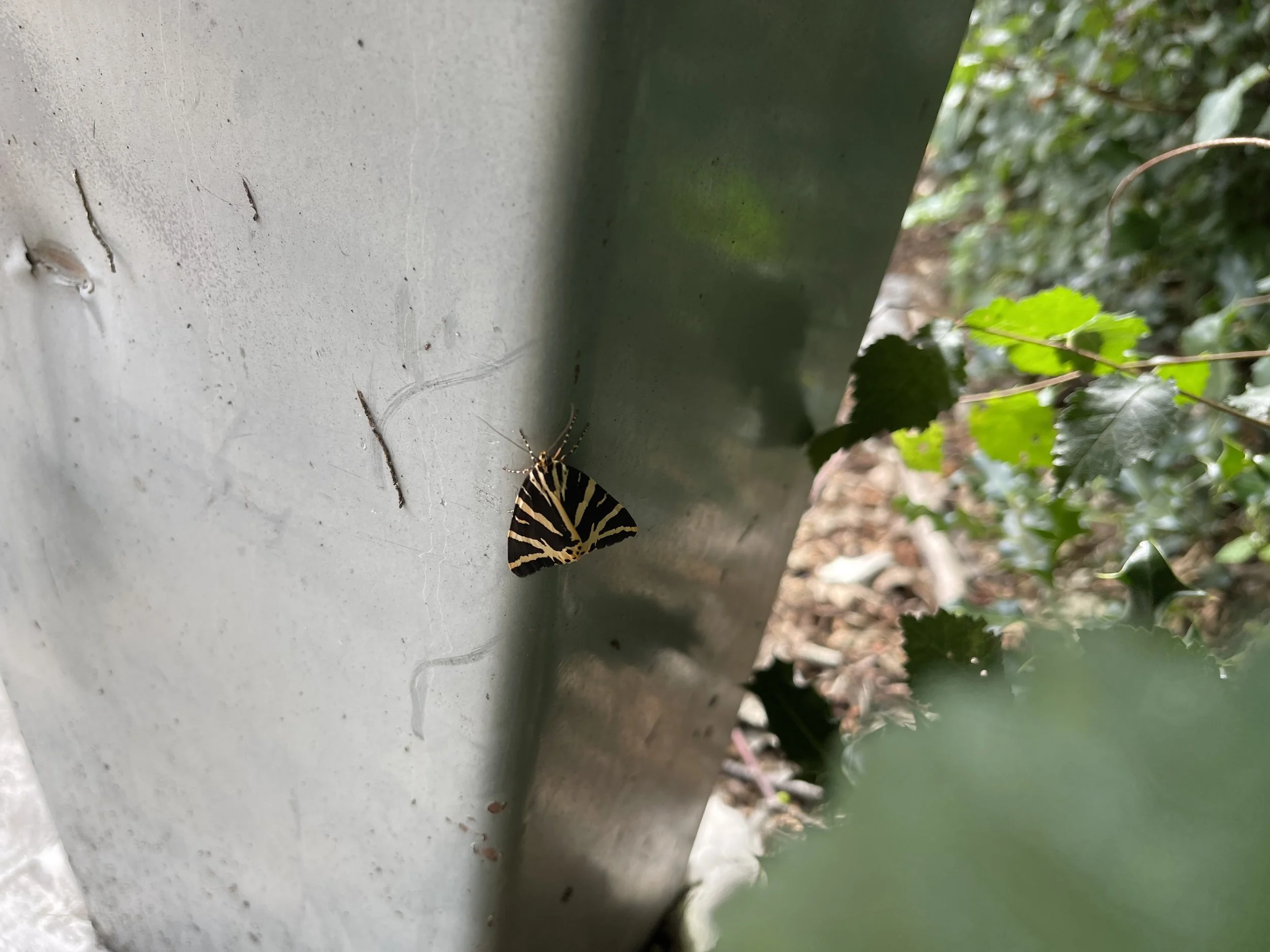
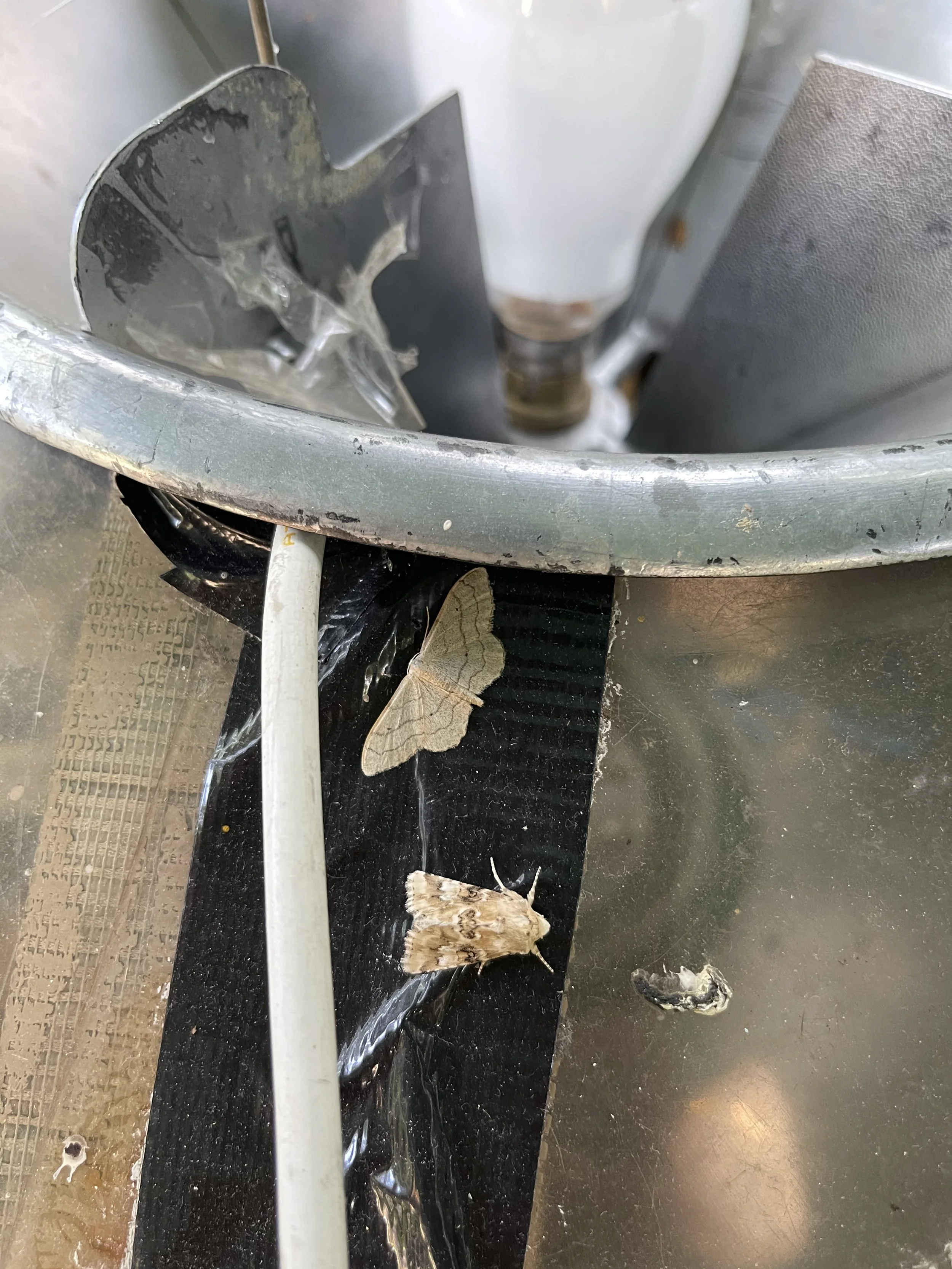
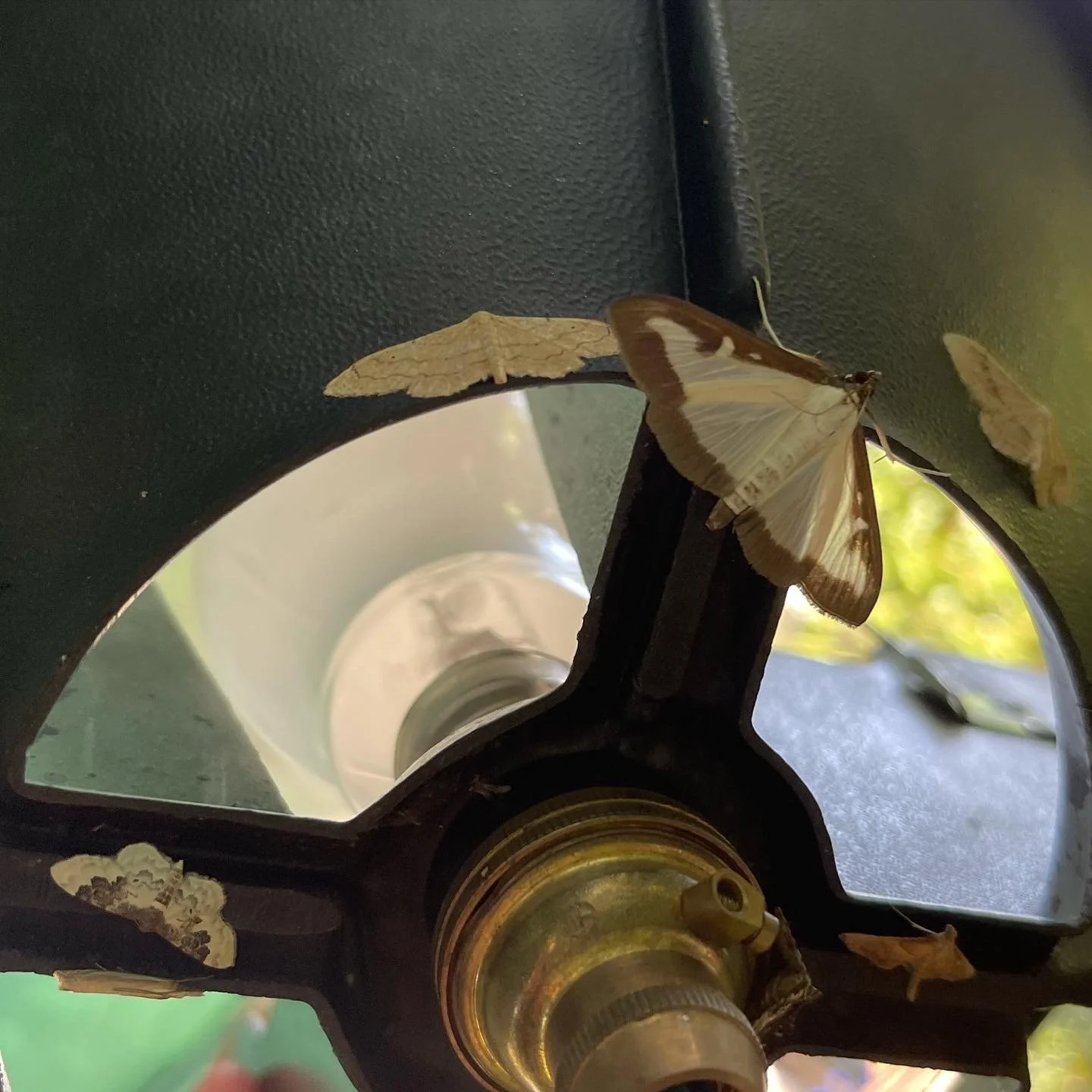
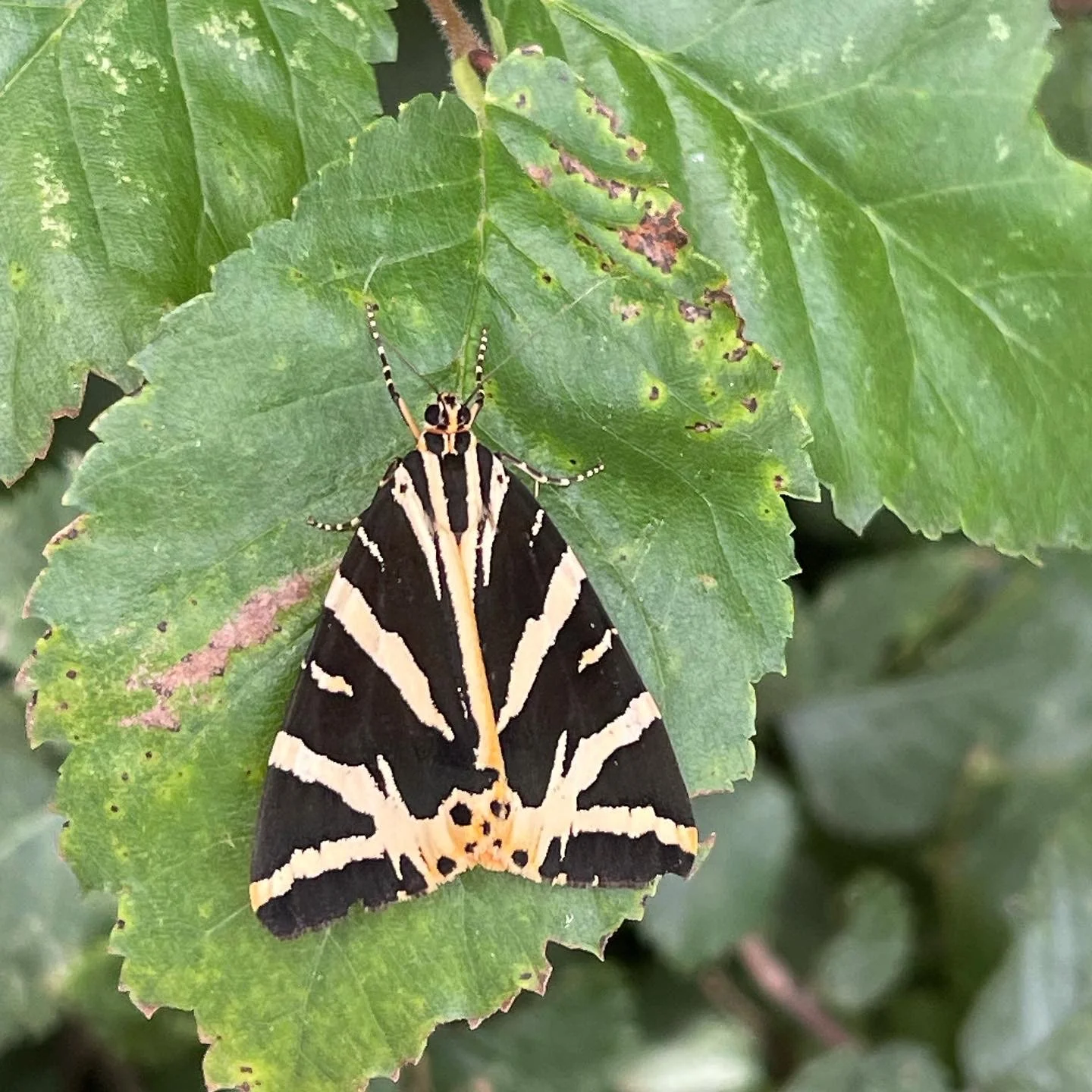
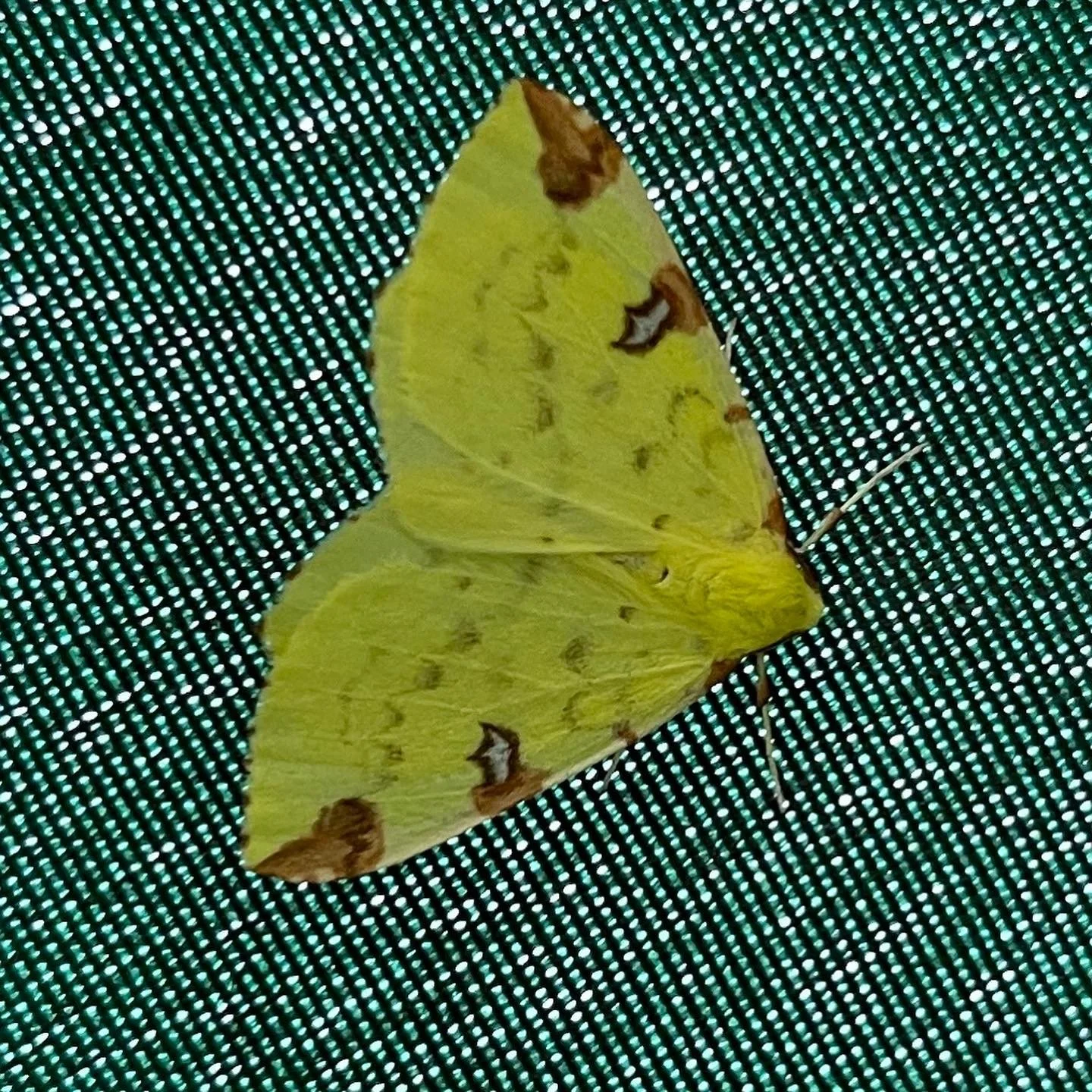
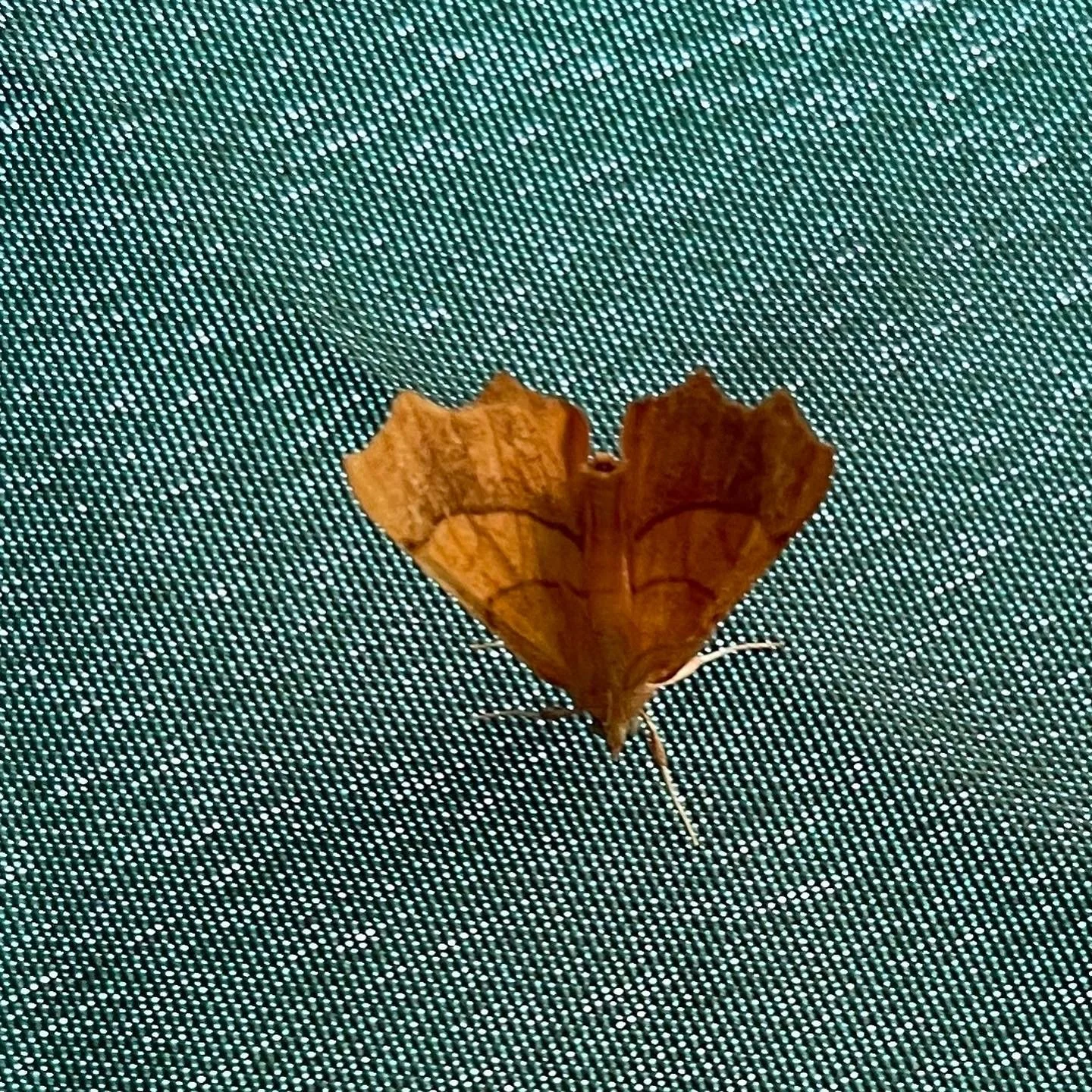
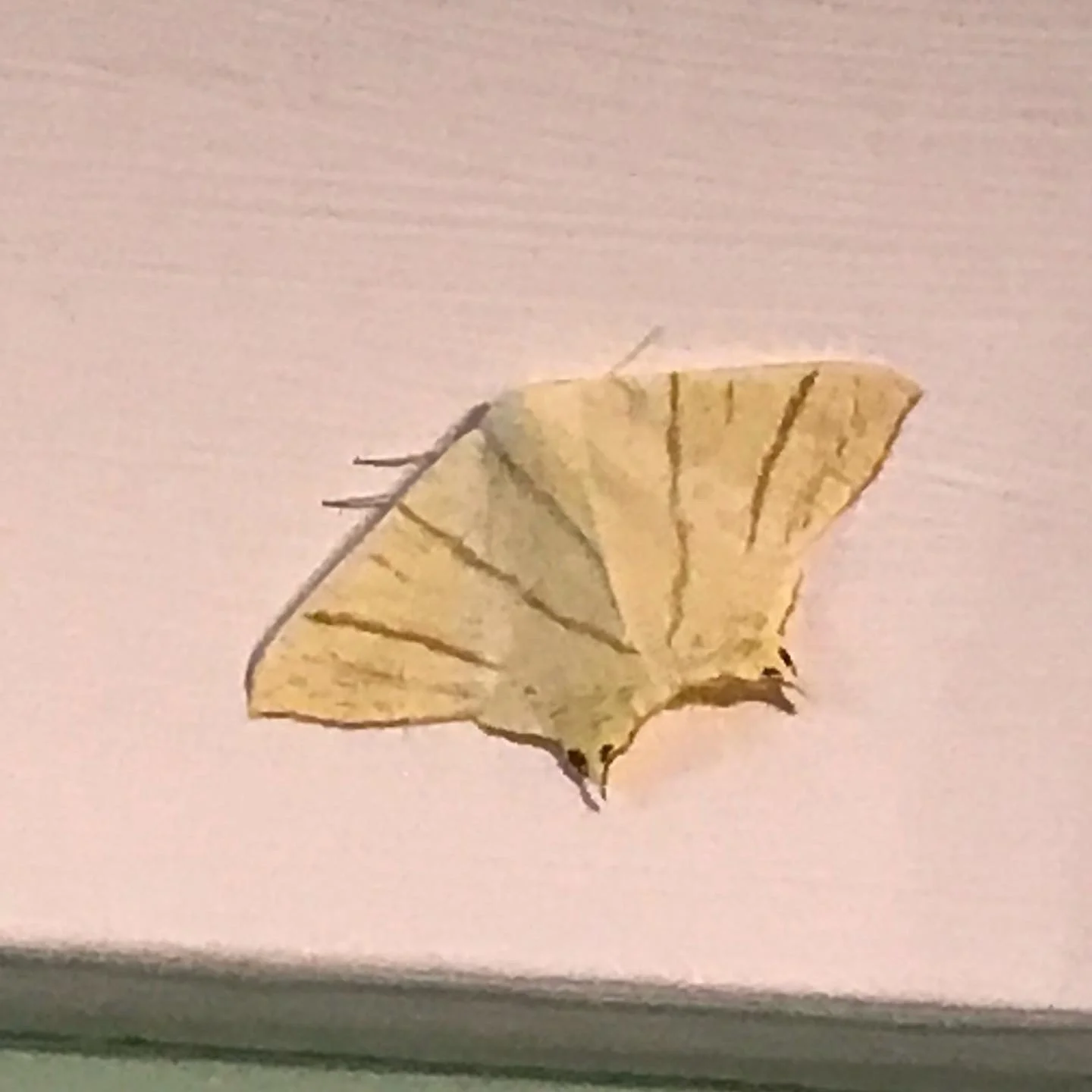
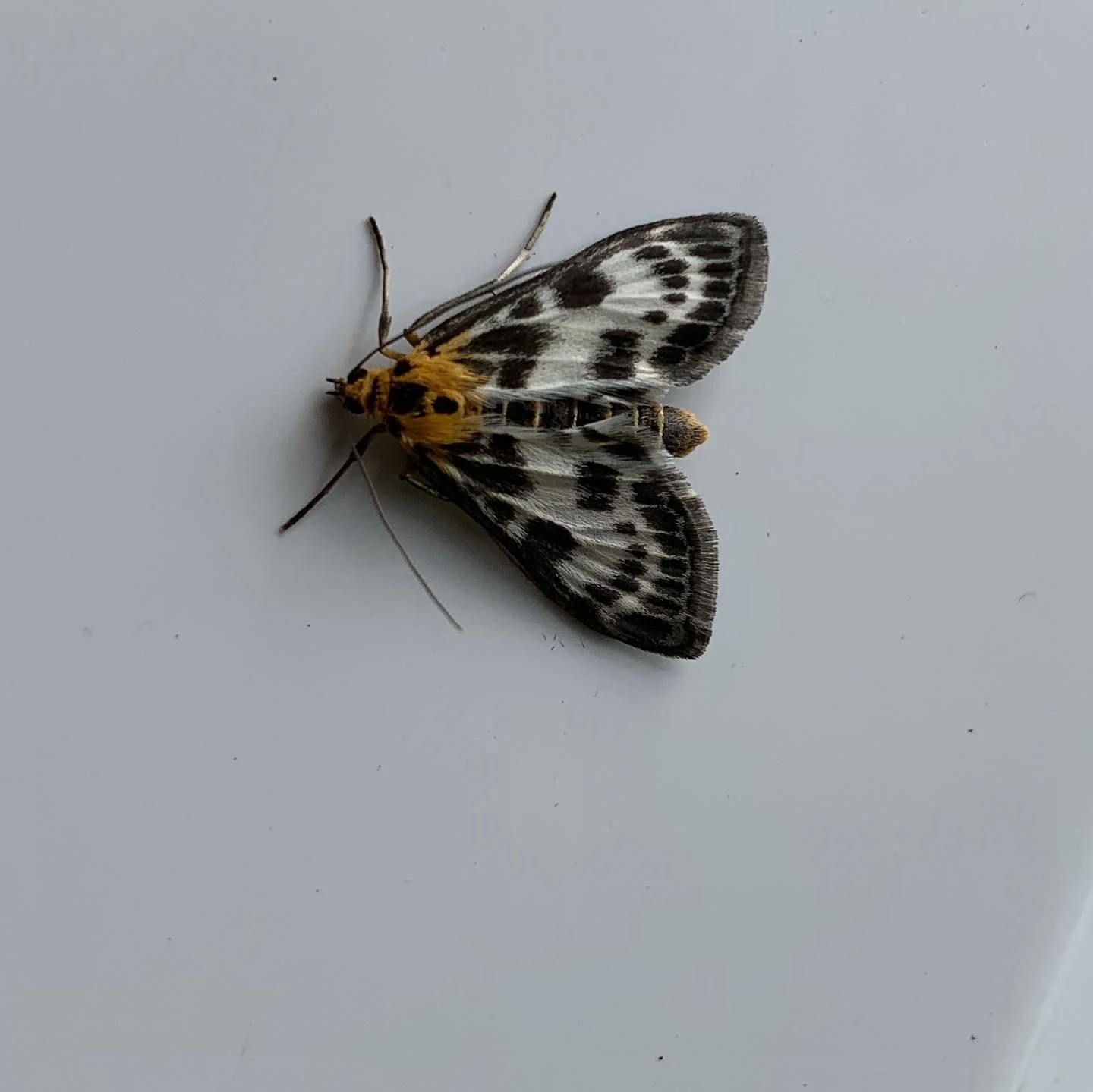
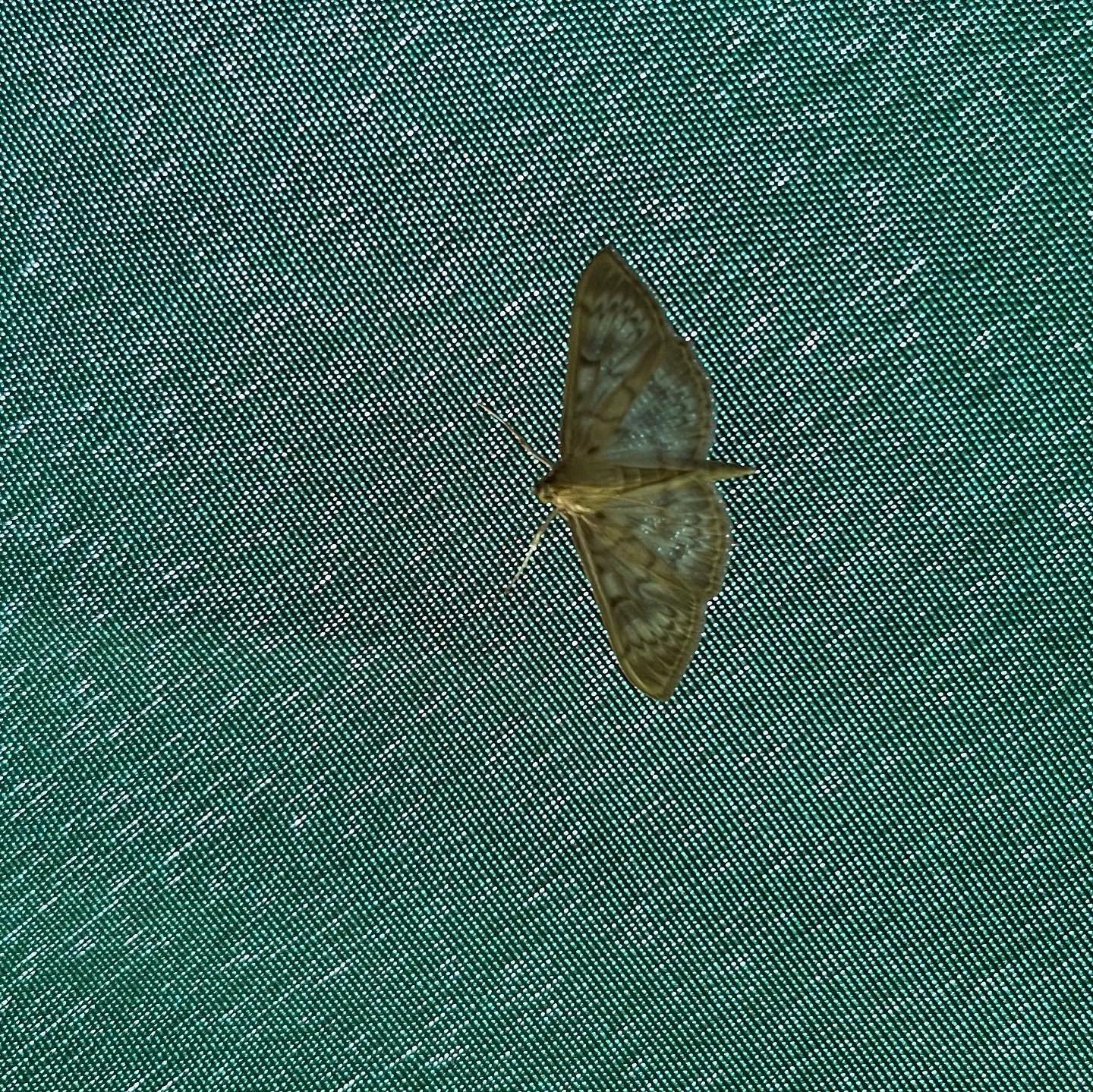
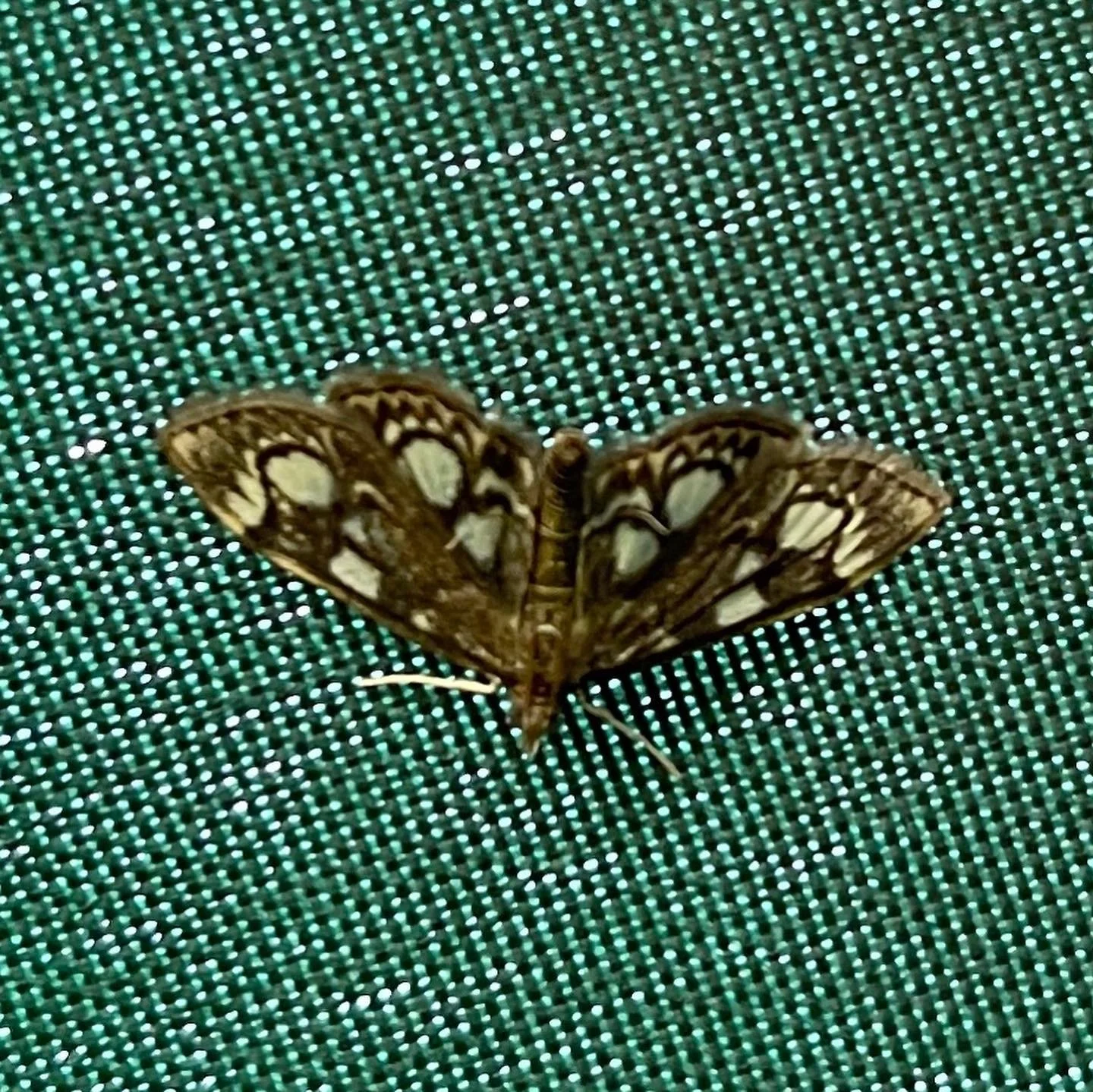
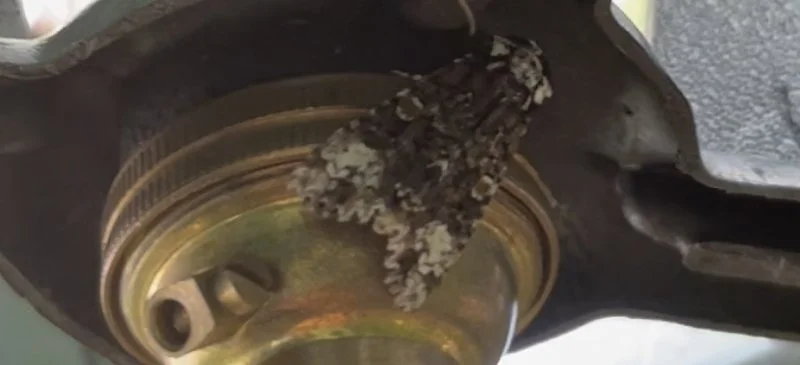
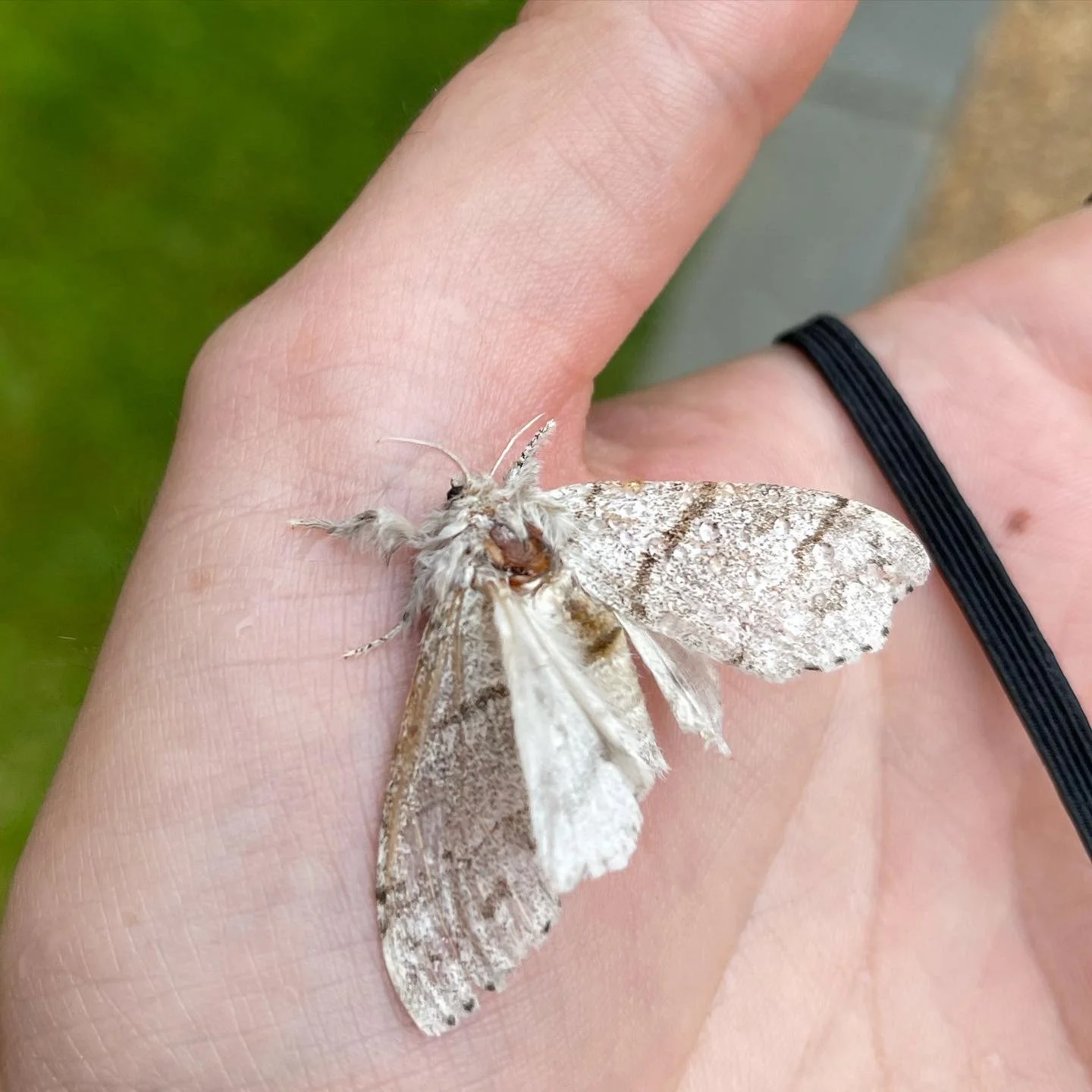
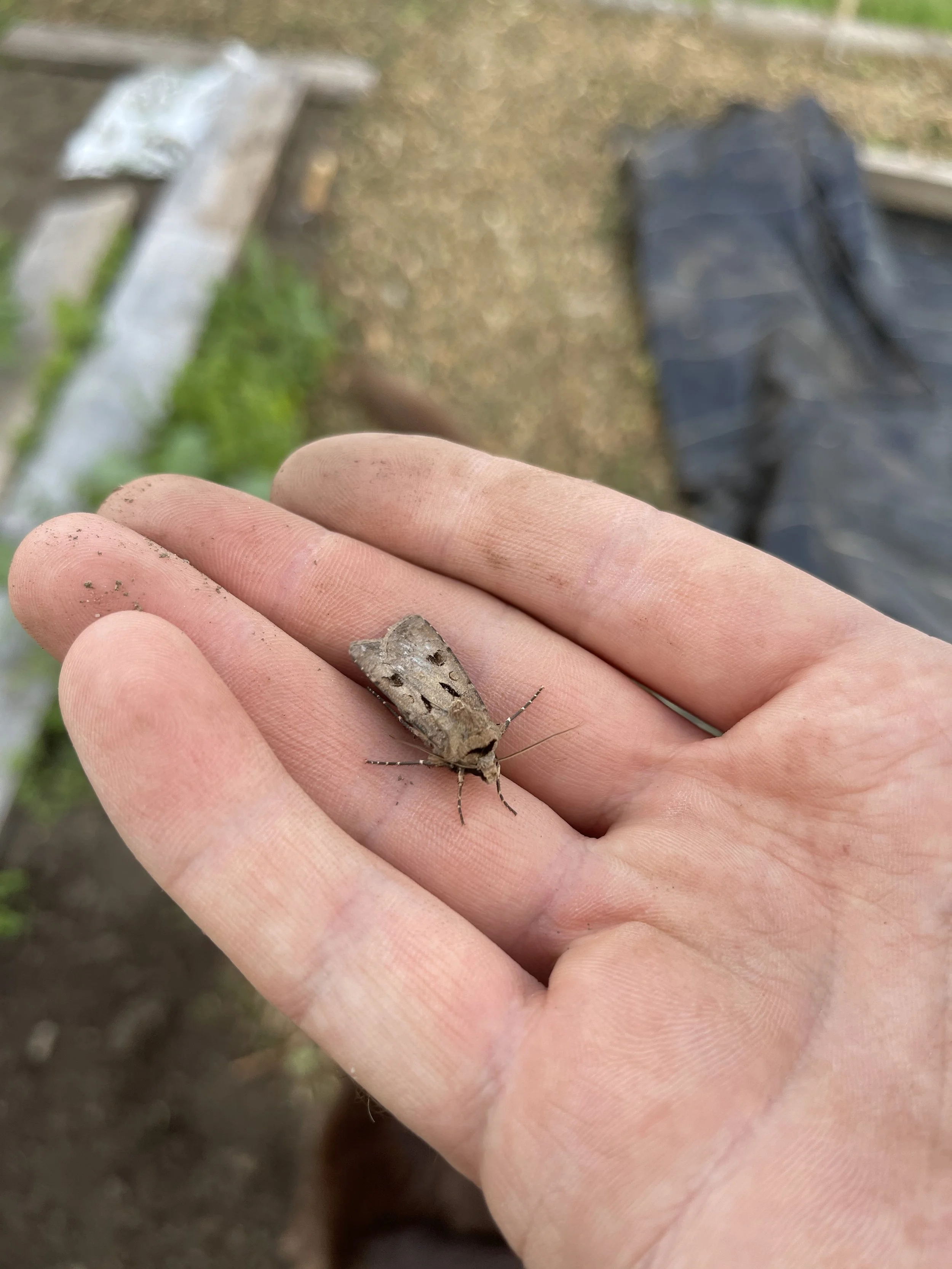
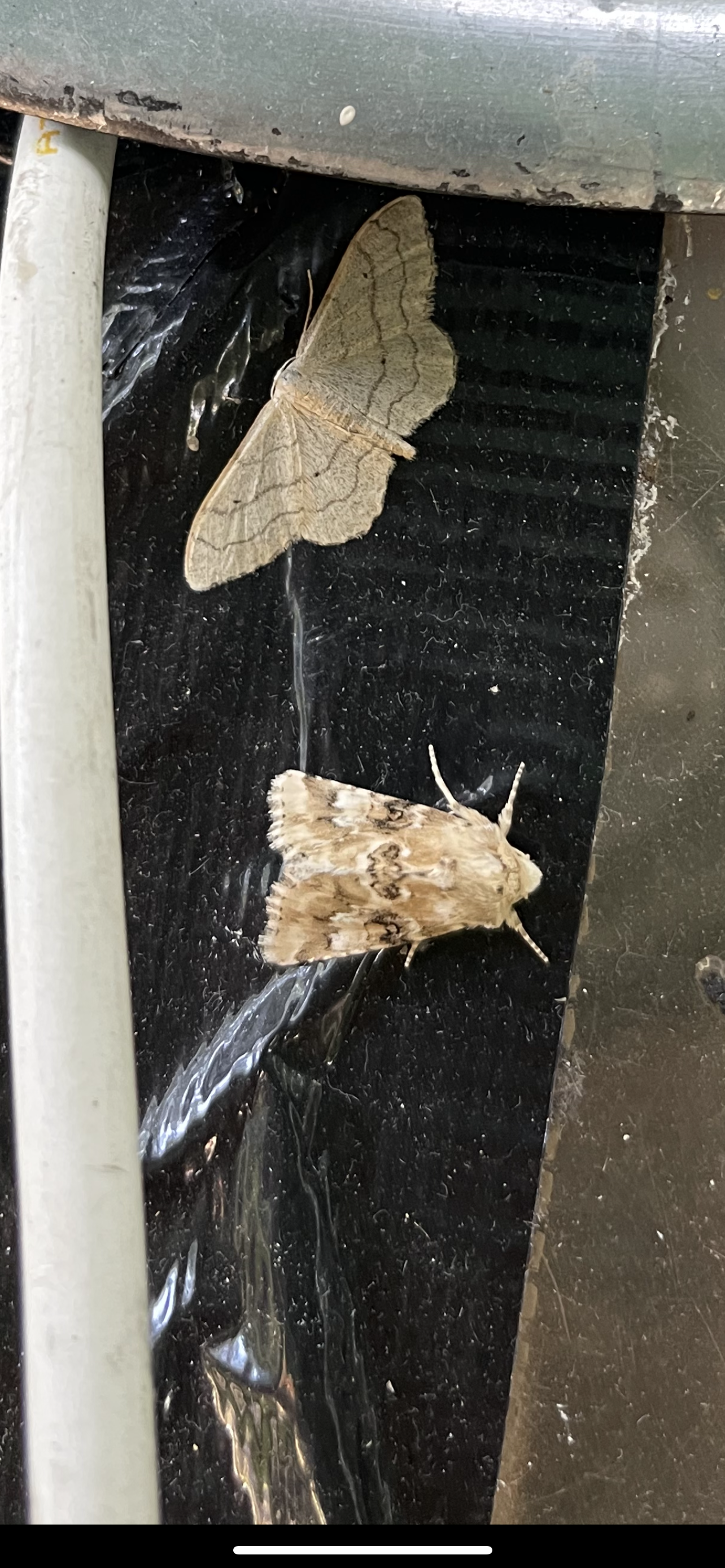
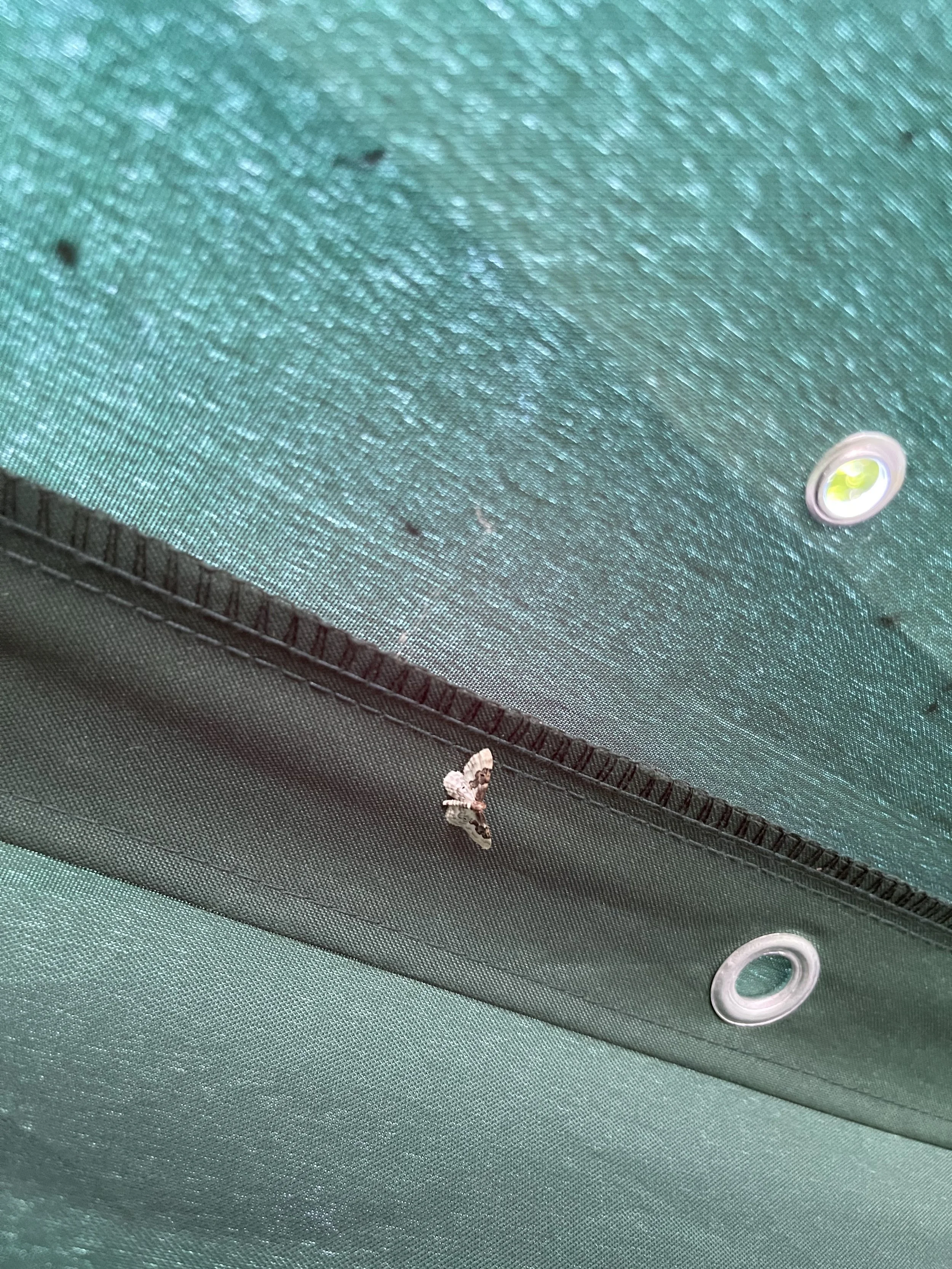
Opening the trap felt like uncovering a hidden world. Inside, a surprising diversity of moths had gathered, tucked into egg cartons and sheltered spaces. Some were immediately recognisable, while others demanded closer inspection.
Identification became a careful, methodical process. Subtle variations in wing patterns, colouration, and size required attention, often cross-referenced with field guides. What initially appeared to be a collection of similar-looking moths quickly resolved into a diverse assemblage of species, each with its own ecological role.
What struck me most was the sheer diversity present in such a small, familiar space. My back garden—something I had previously overlooked—was hosting a complex nocturnal community. Species that had gone entirely unnoticed were, in reality, a constant presence.
This is where citizen science proves its value. Large-scale ecological understanding is often built on small, local observations. Individually, a single night of trapping may seem insignificant, but collectively, these records contribute to monitoring species distributions, detecting population changes, and understanding the impacts of environmental pressures.
For me, this experience was more than just data collection. It was a reminder that meaningful ecological work doesn’t always require travel to distant field sites. Sometimes, it begins at your doorstep.
The trap was returned, the data submitted, and the challenge complete—but the experience left a lasting impression. It reinforced my appreciation for often-overlooked groups like moths and, perhaps more importantly, ensured that owning a moth trap is no longer a distant ambition.
It’s only a matter of time.